
Attractions
- Triumphal Arch & Viewpoint
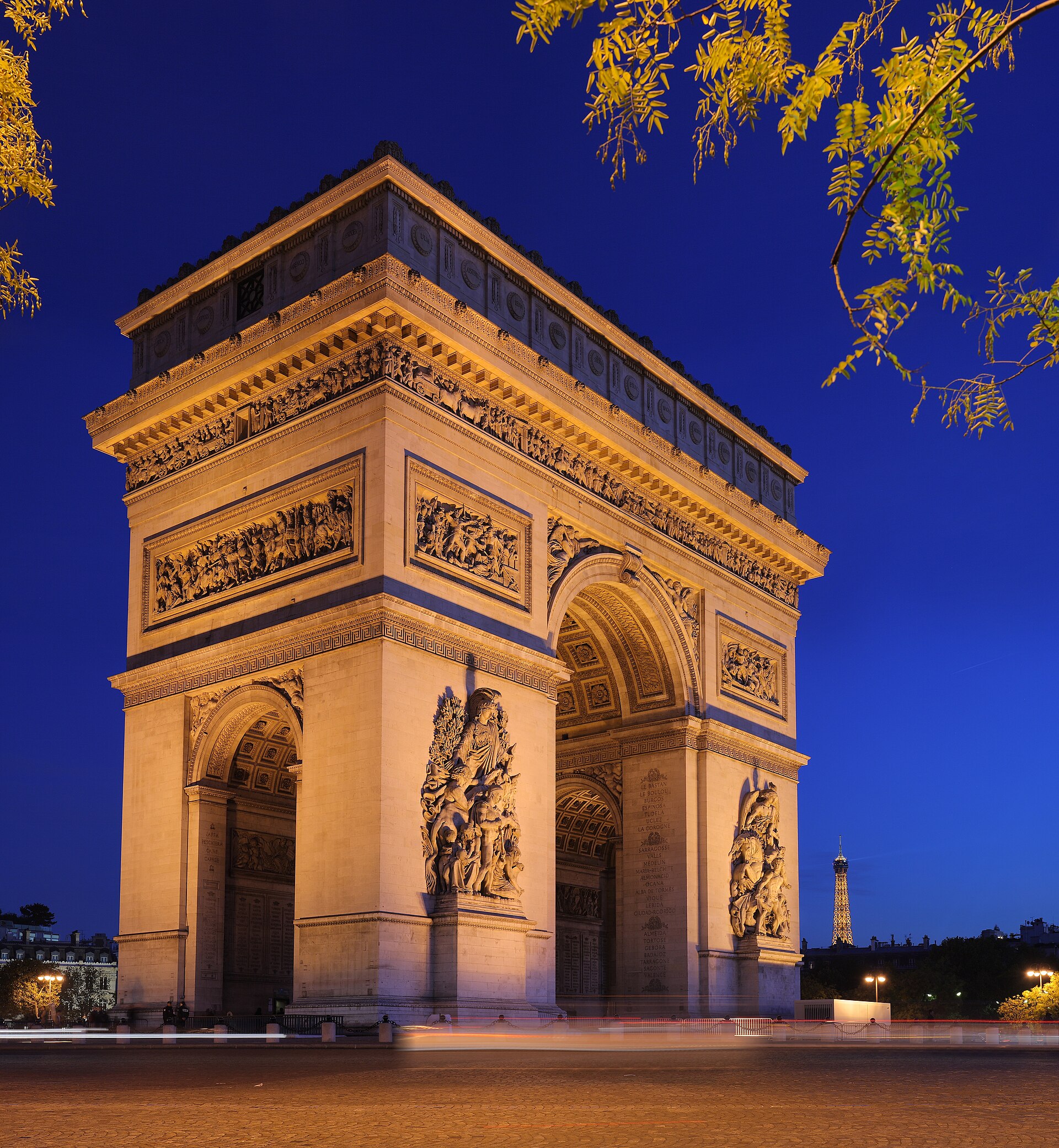
Arc de Triomphe
Napoleon's 50-metre triumphal arch at the hub of twelve radiating avenues, honouring the armies of the Revolution and Empire, with France's Unknown Soldier buried beneath it.
- Grand Avenue
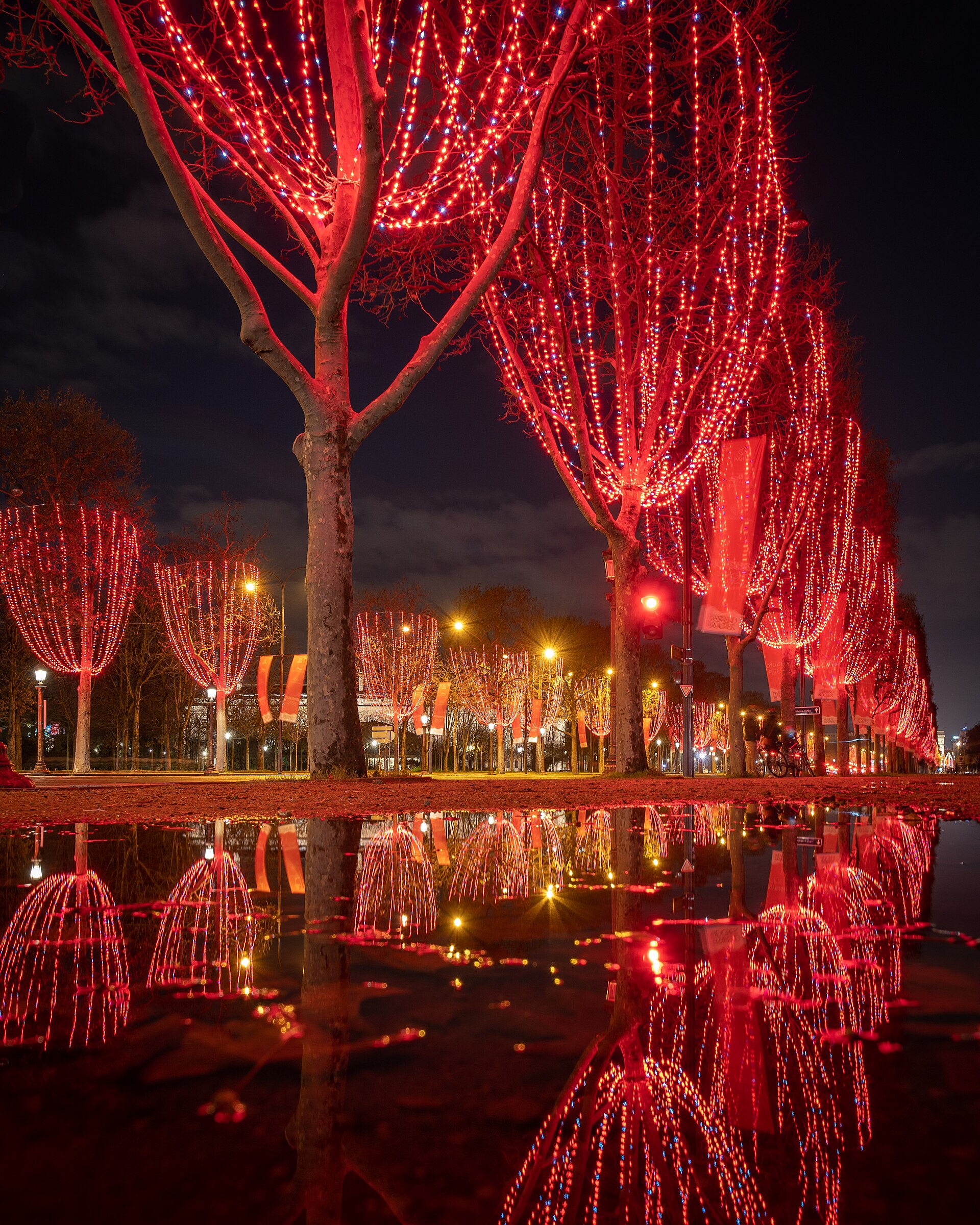
Avenue des Champs-Élysées
The nearly two-kilometre avenue running from Place de la Concorde to the Arc de Triomphe, laid out in the 1600s and long billed as "the world's most beautiful avenue."
- Historic Canal
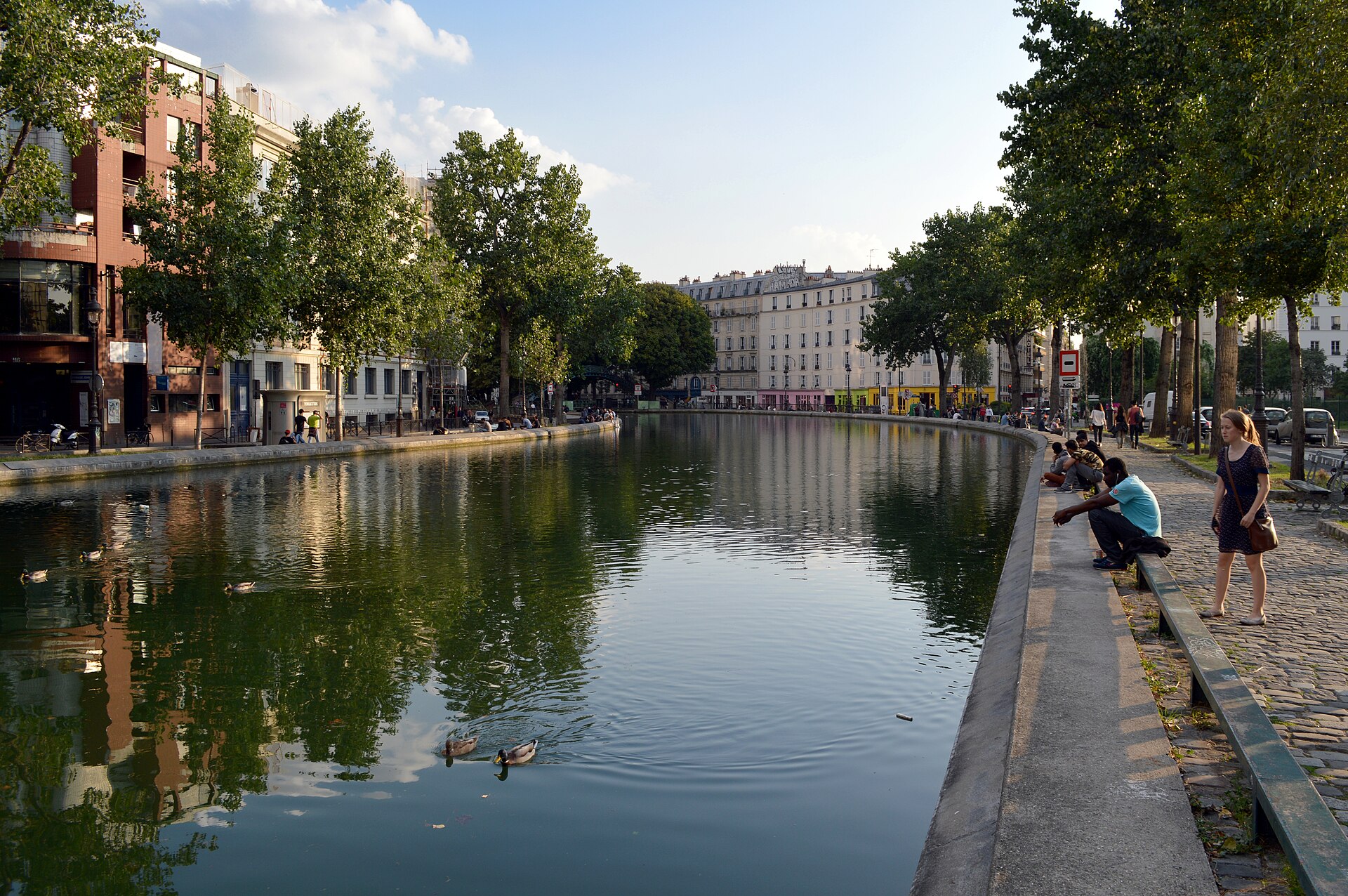
Canal Saint-Martin
A 4.5-kilometre canal Napoleon ordered in 1802 to bring fresh water into Paris, its iron footbridges, tree-lined quays and locks now a favourite picnic spot for young Parisians.
- Underground Ossuary
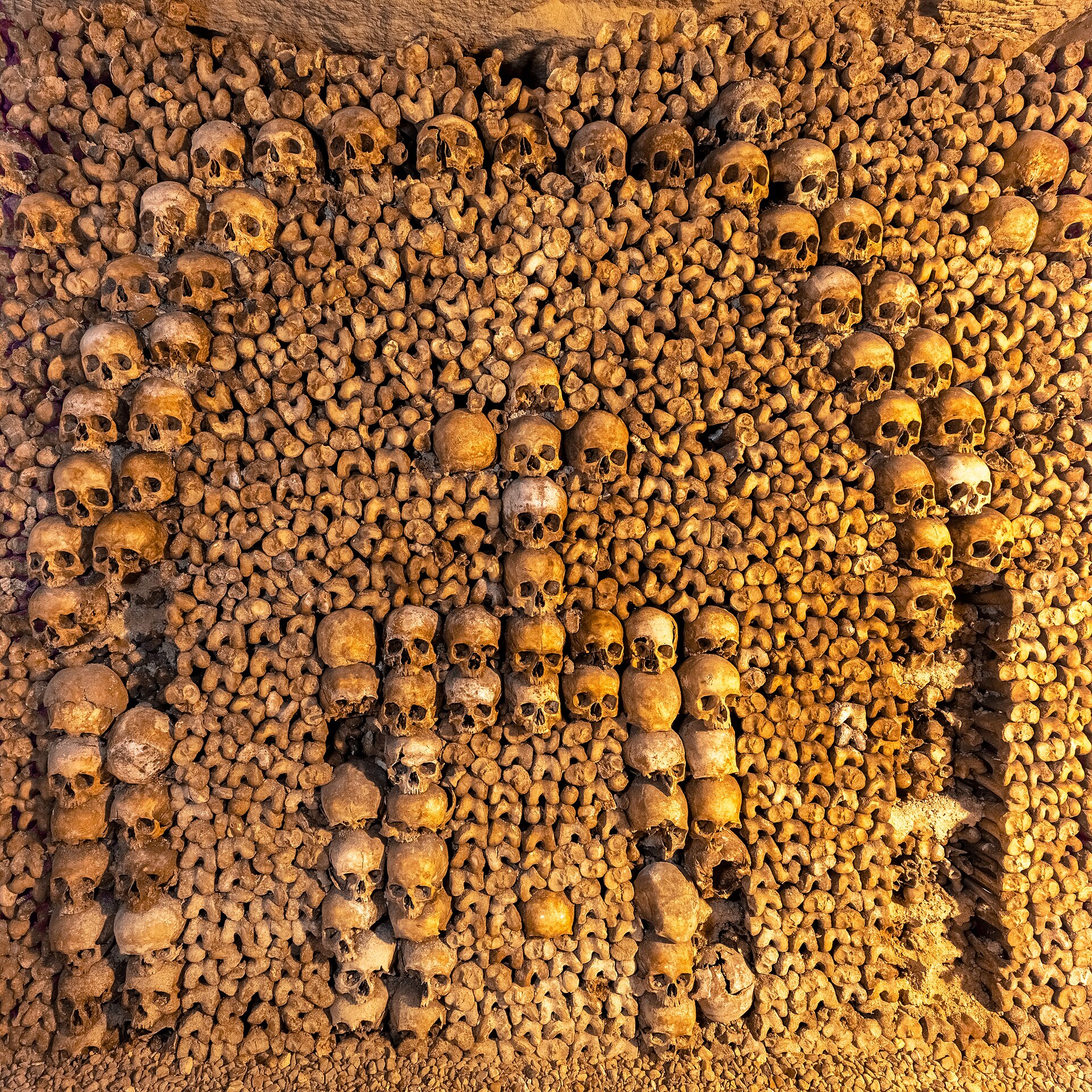
Catacombs of Paris
Two hundred kilometres of former limestone quarries beneath the city hold the bone-packed ossuary of some six million Parisians, transferred underground from overflowing cemeteries starting in 1786.
- Modern Art Museum
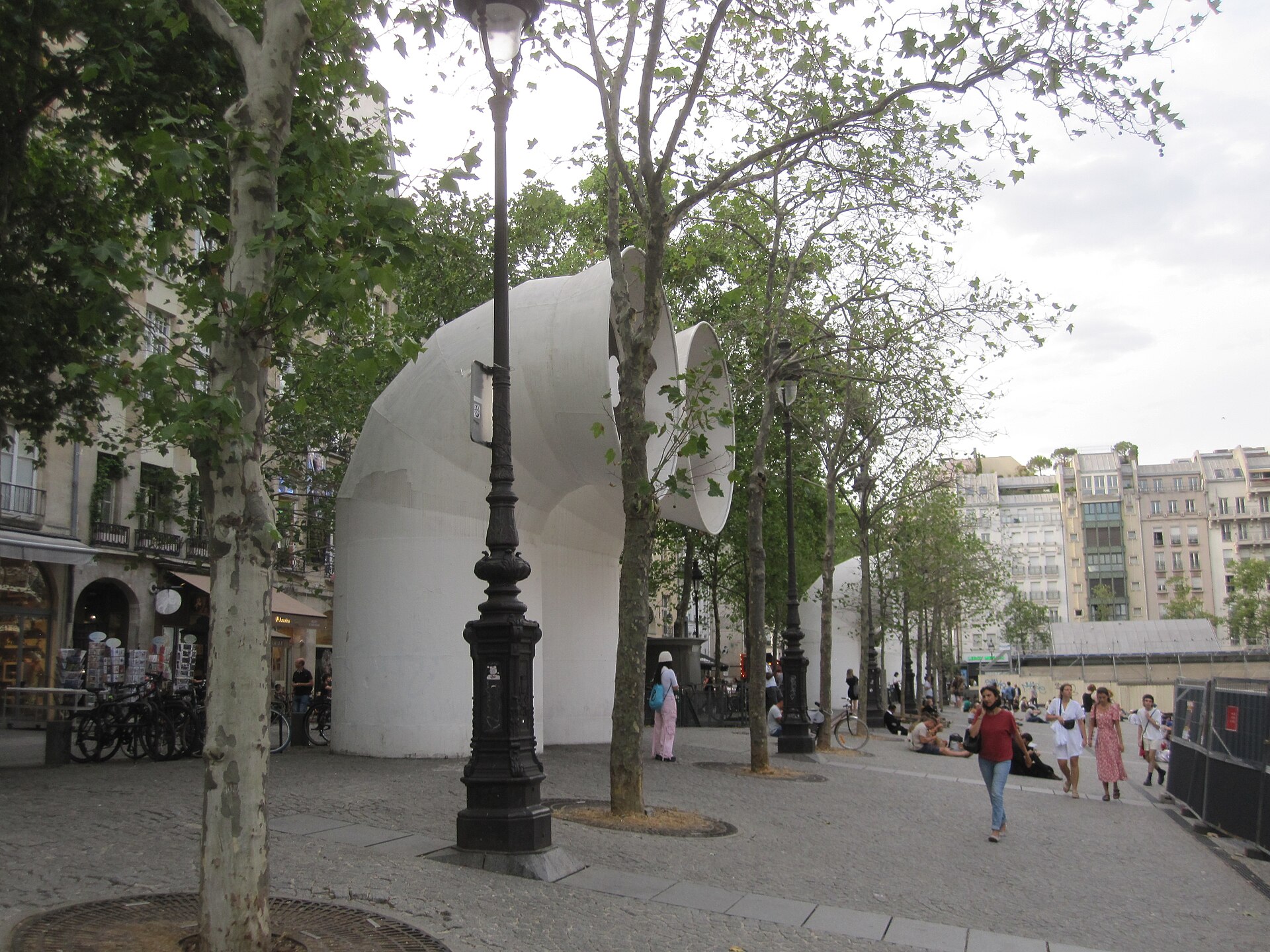
Centre Pompidou
Renzo Piano and Richard Rogers's 1977 "inside-out" building, its structure and utilities painted and hung on the exterior, houses Europe's largest collection of modern and contemporary art.
- Advertisement
GetYourGuide
Skip the line — book tours & tickets for Rome's top sights.
Learn more → - Medieval Royal Palace & Prison
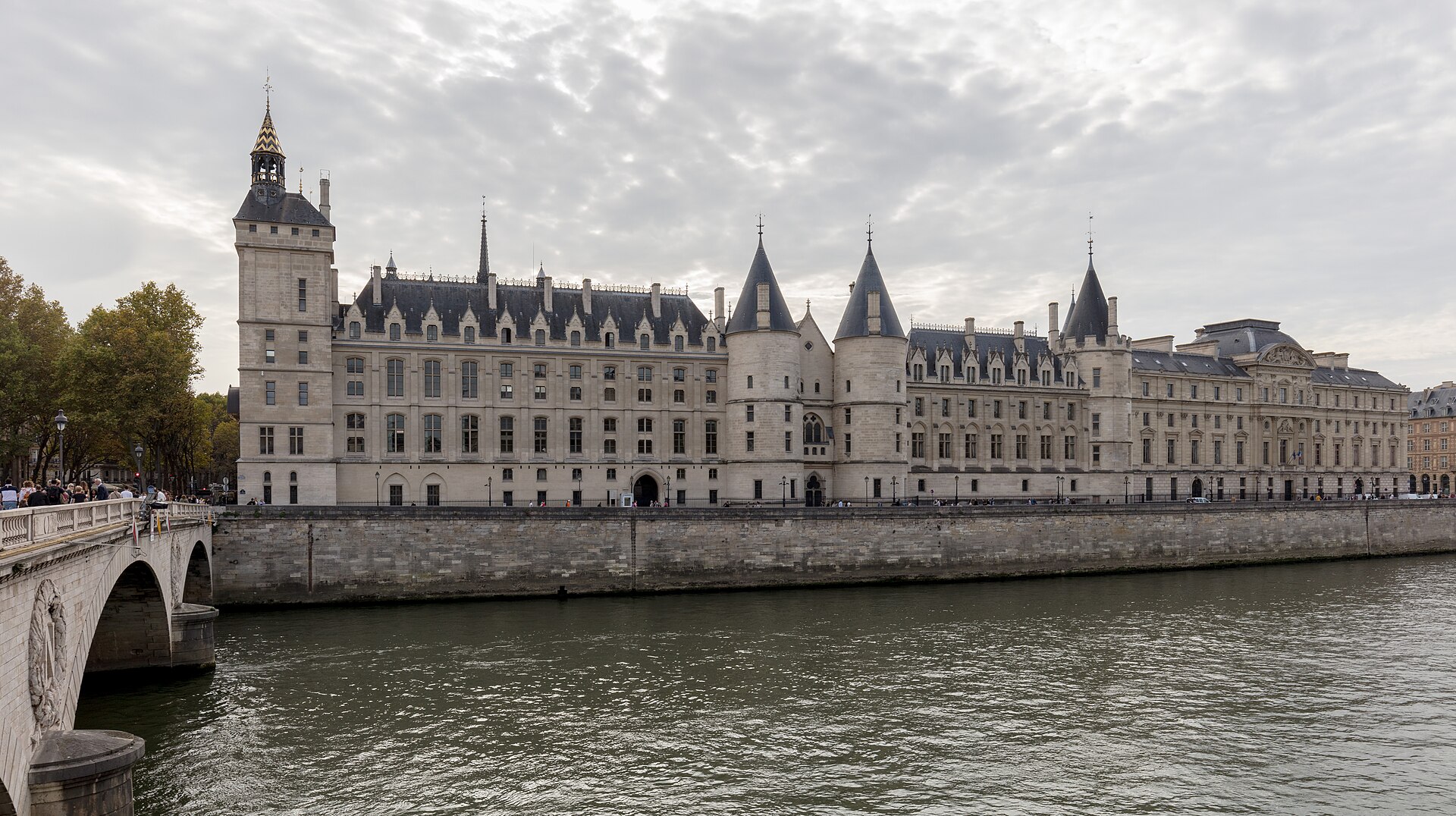
Conciergerie
The medieval palace of the Capetian kings on Île de la Cité, later a Revolutionary prison that held Marie Antoinette before her execution, its Gothic Hall of Men-at-Arms among Europe's oldest surviving.
- Iron Tower & Observation Deck
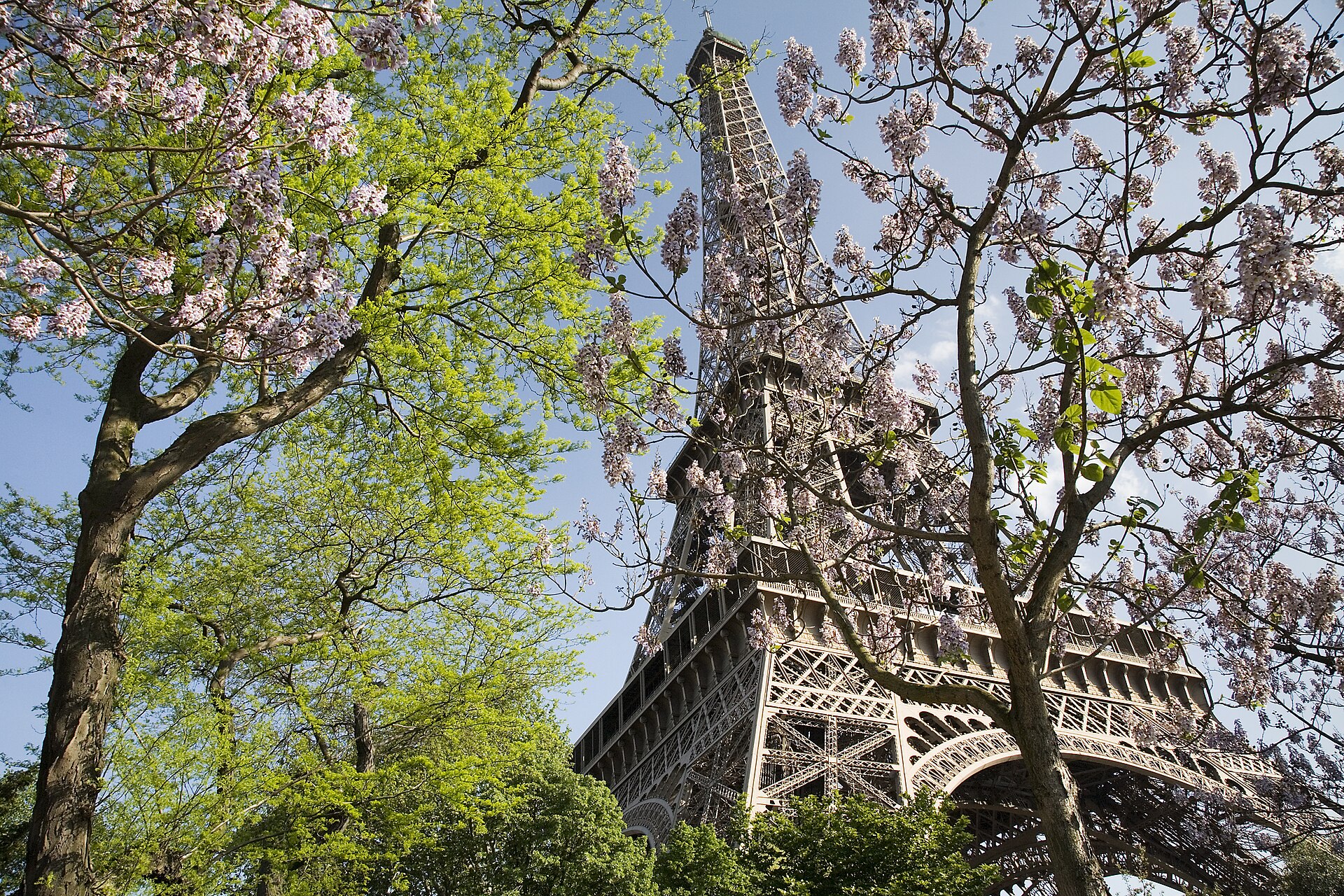
Eiffel Tower
Gustave Eiffel's 330-metre wrought-iron lattice tower, built for the 1889 World's Fair and meant to stand for just twenty years, is now the enduring symbol of Paris.
- Historic Island
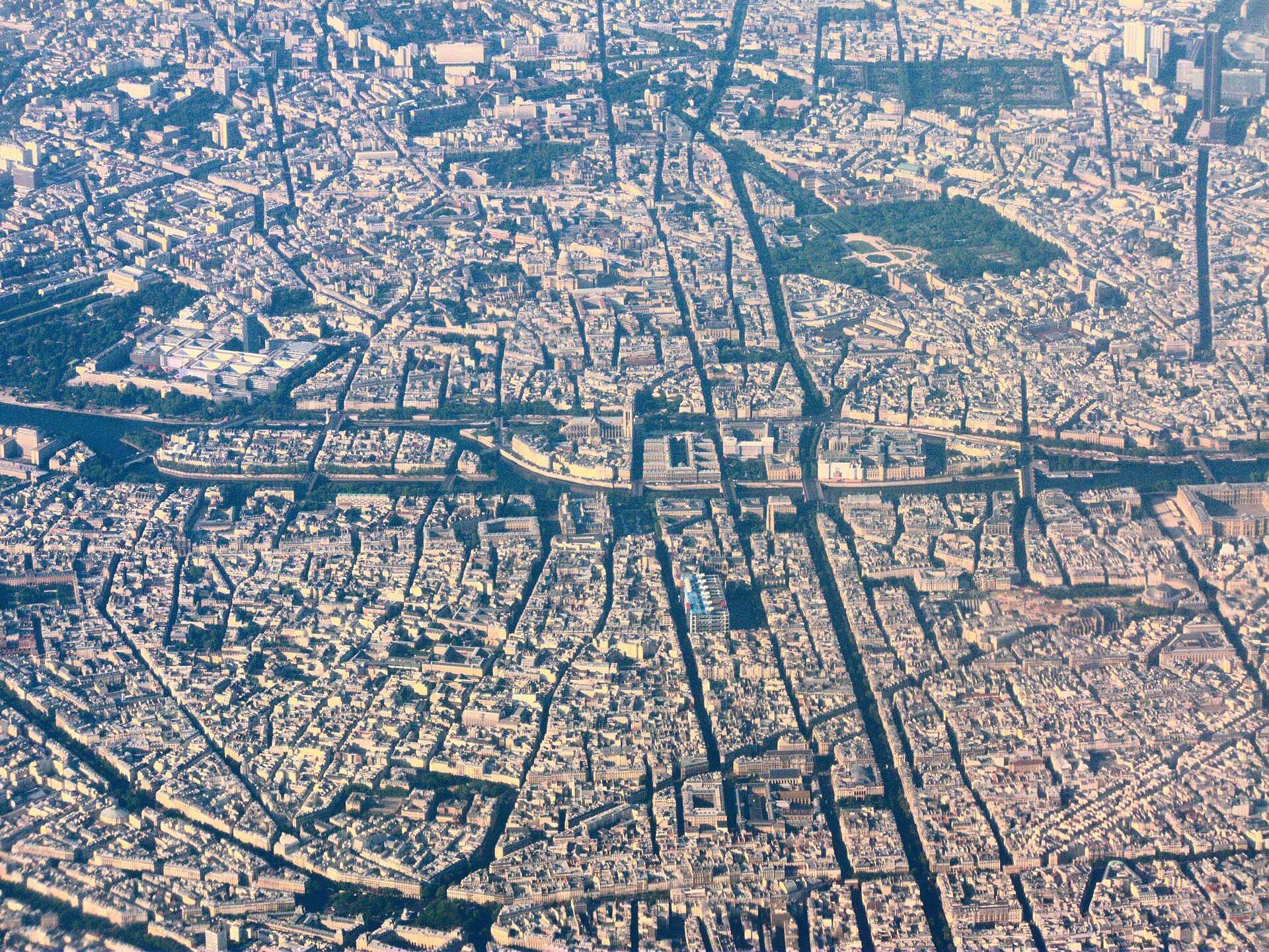
Île de la Cité
The boat-shaped island in the Seine where Paris began, a Gallic fishing settlement over two thousand years ago and now home to Notre-Dame, Sainte-Chapelle and the flower market.
- Historic Garden
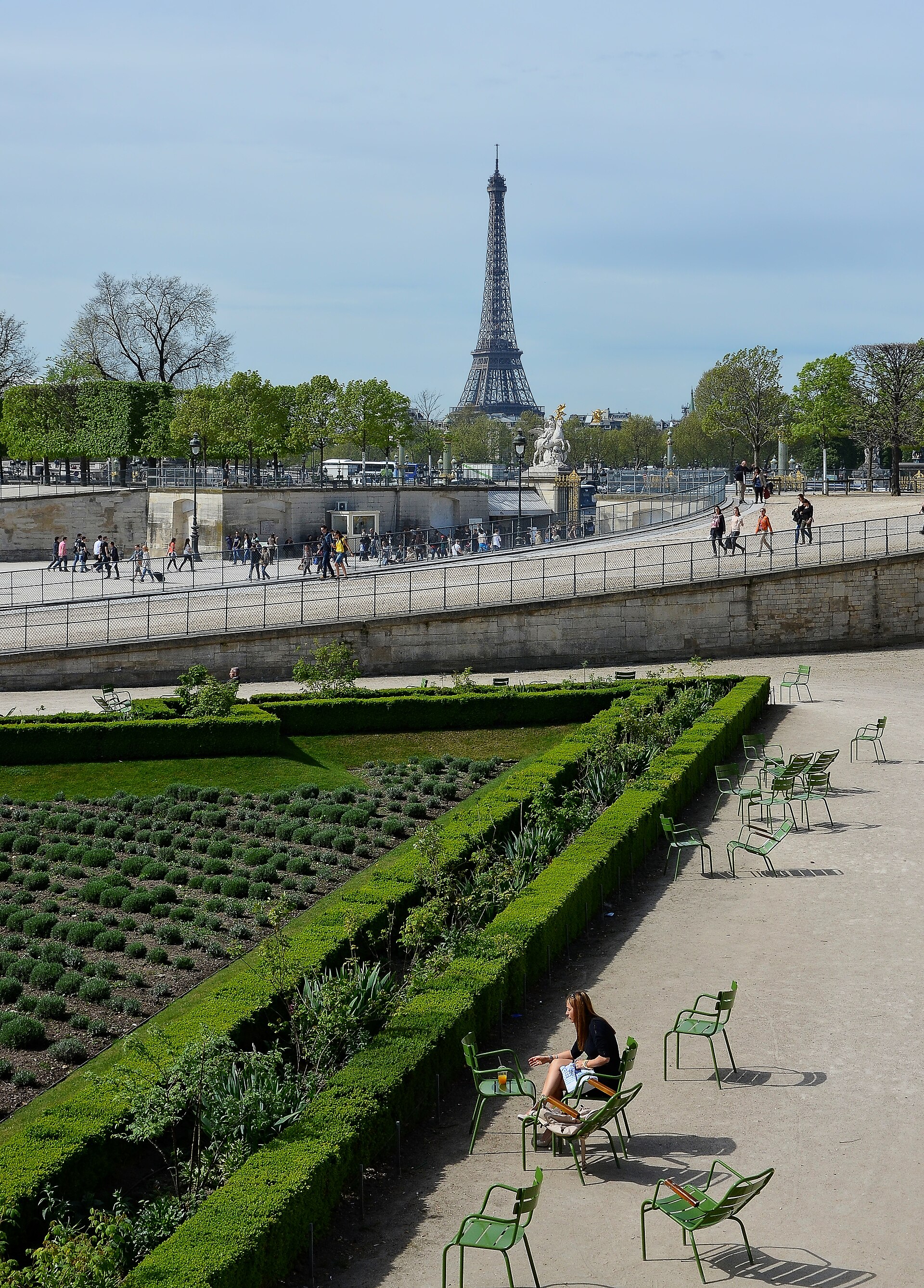
Jardin des Tuileries
The formal garden linking the Louvre to Place de la Concorde, laid out by André Le Nôtre in 1664 for a royal palace long since burned down, now a free public promenade dotted with sculpture.
- Historic District
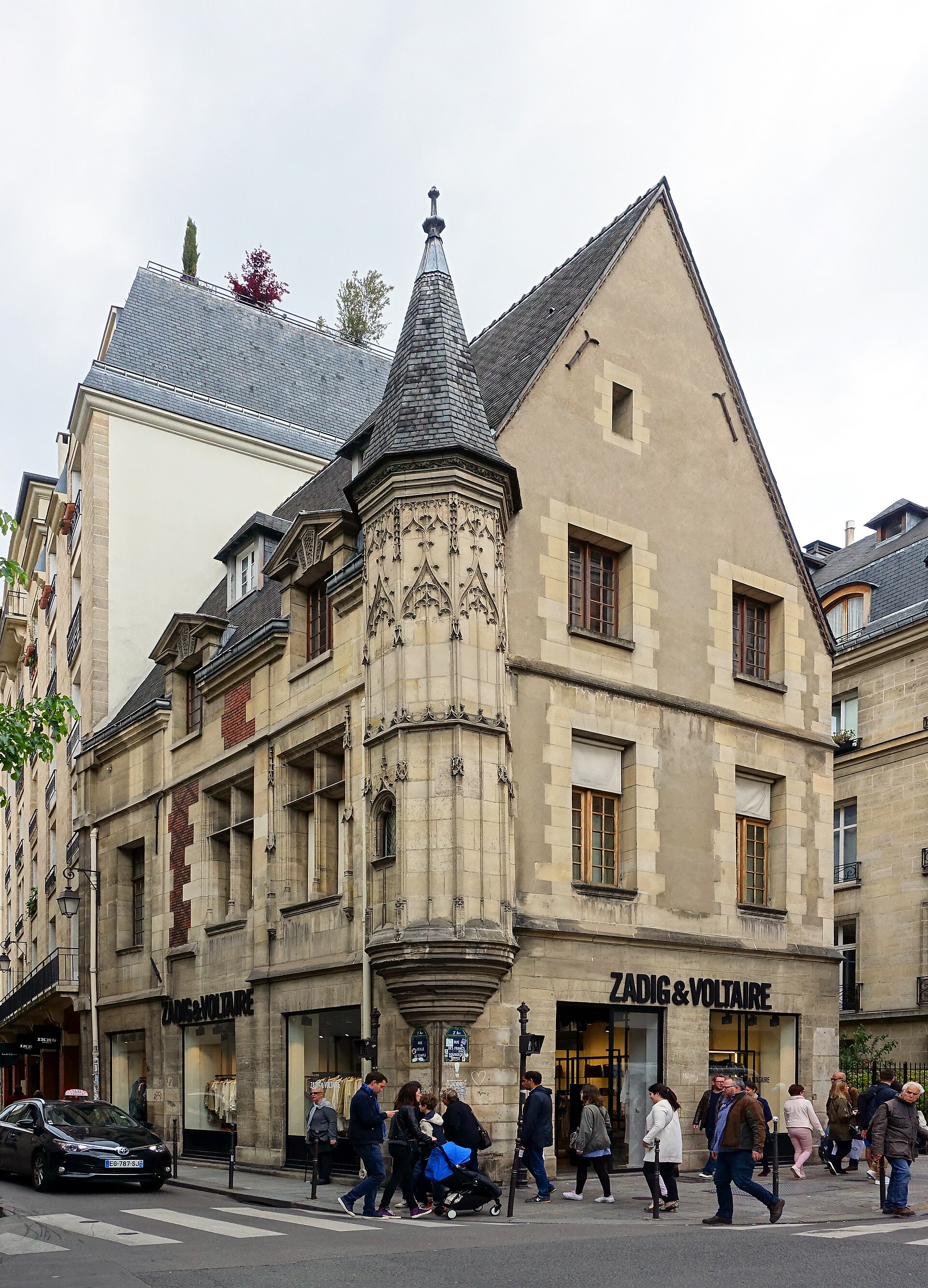
Le Marais
A former marsh drained in the Middle Ages and built up with 17th-century aristocratic mansions, now a dense, walkable district mixing the Jewish quarter, LGBTQ+ nightlife and independent boutiques.
- Art Museum
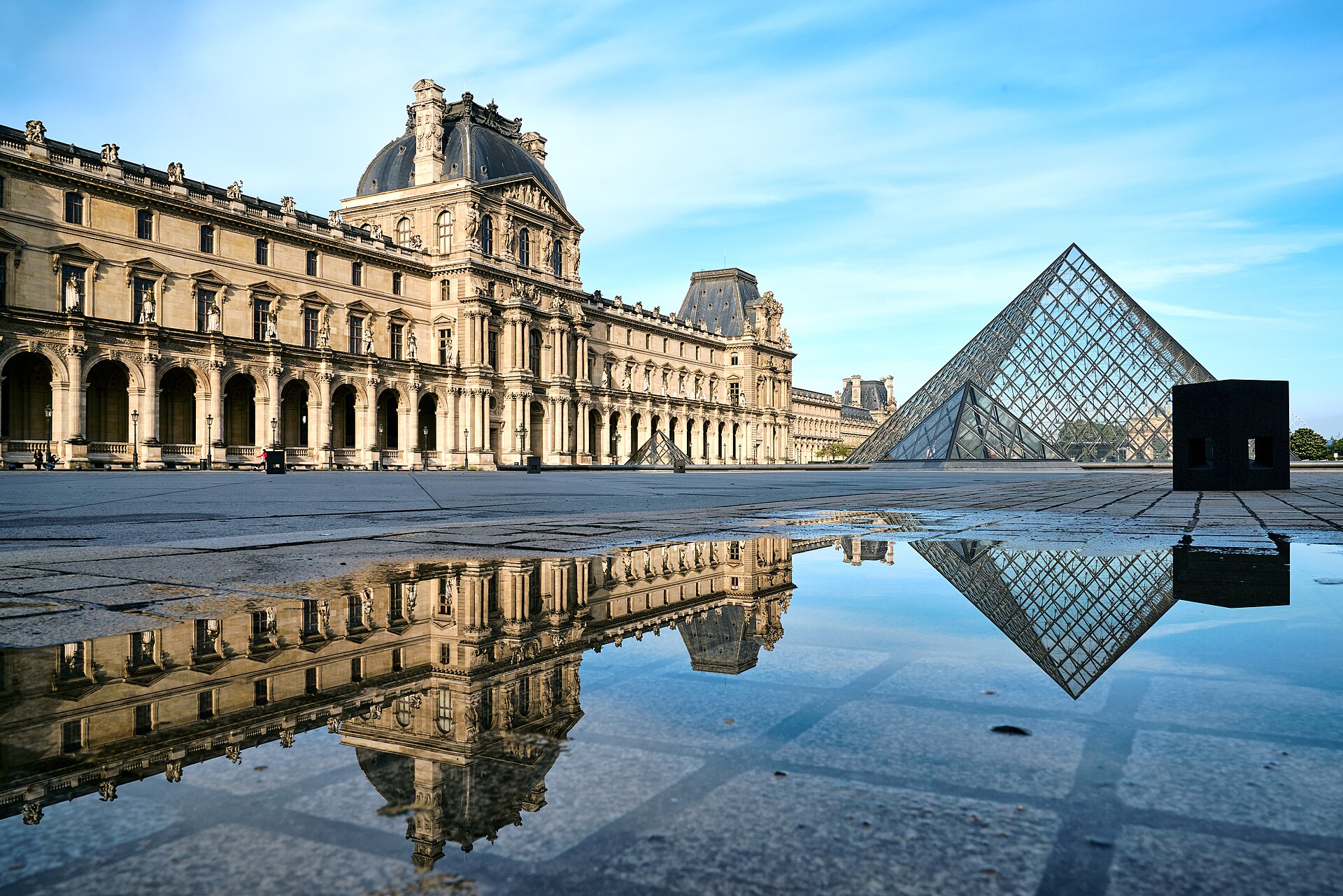
Louvre Museum
The world's most-visited museum, housed in a former royal palace on the Seine, holds around 35,000 works on display, from the Mona Lisa to the Venus de Milo.
- Historic Park & Palace Garden
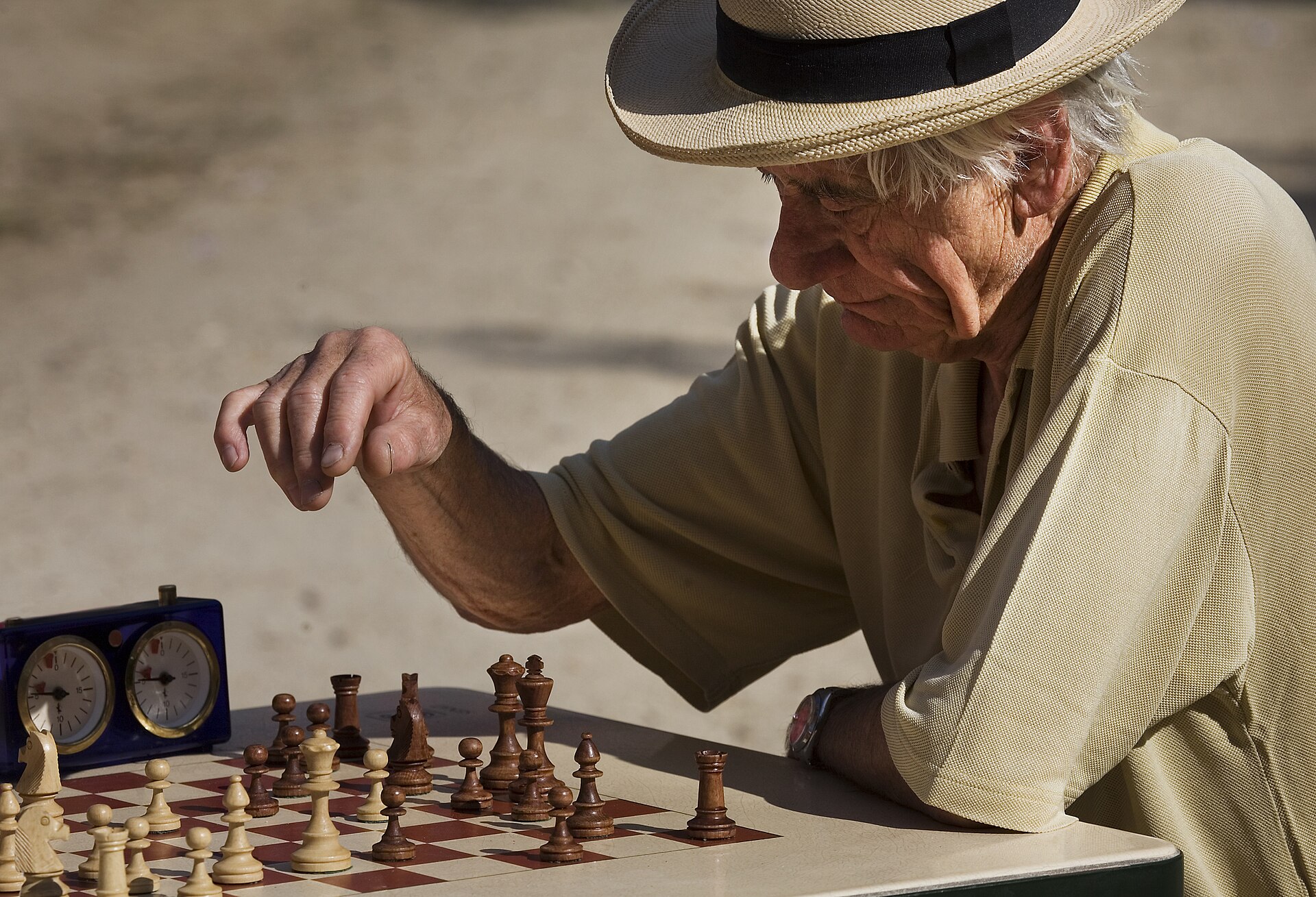
Luxembourg Gardens
A 23-hectare formal garden surrounding the Luxembourg Palace, laid out for Marie de' Medici in 1612 and still filled with chess players, toy sailboats and manicured chestnut groves.
- Historic Artists' Quarter
Montmartre
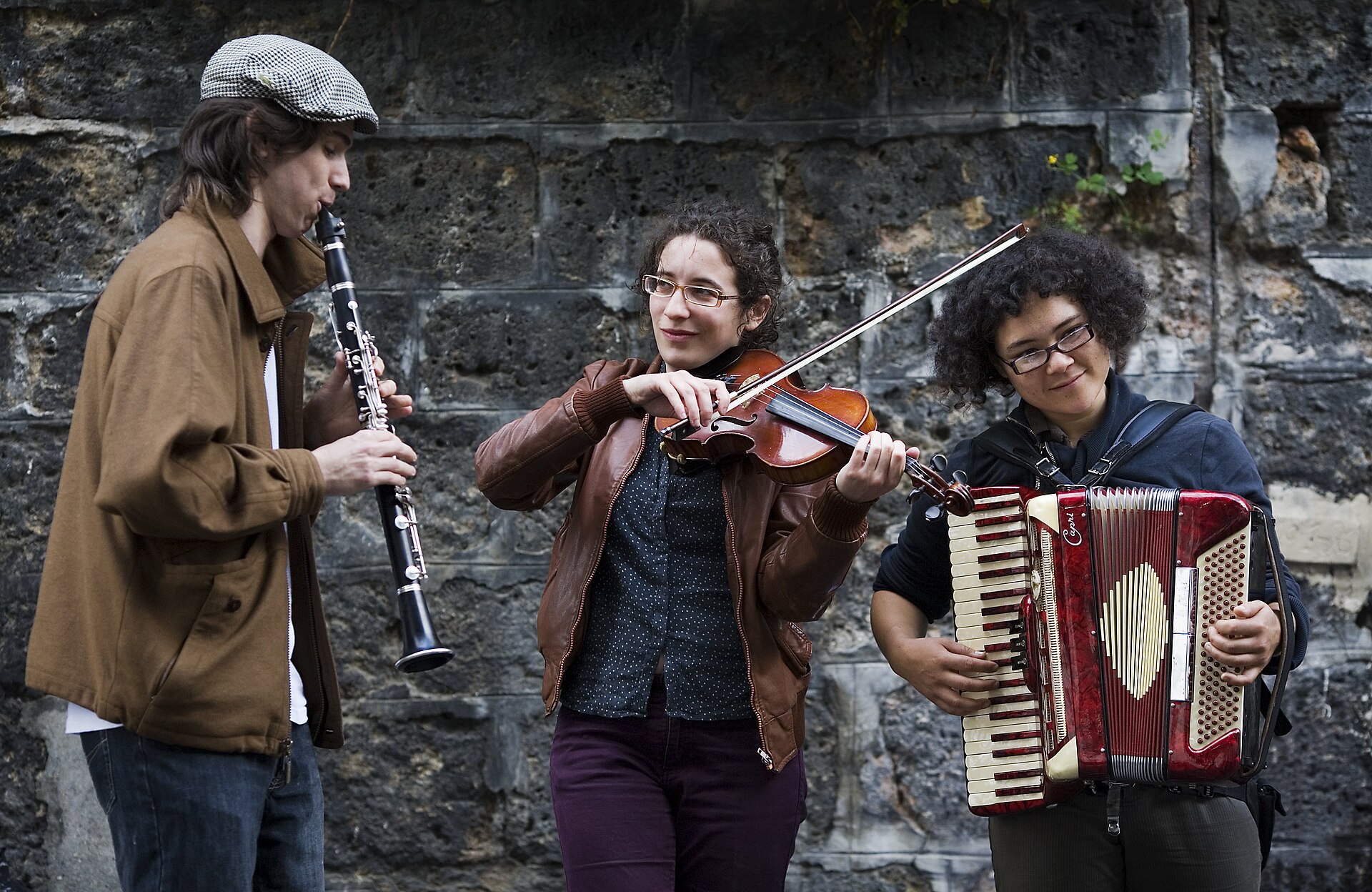
The hillside village annexed by Paris in 1860, once home to Picasso, Renoir and Toulouse-Lautrec, still keeps its cobbled lanes, vineyard and easel-toting street artists around Place du Tertre.
- Impressionist Art Museum
Musée d'Orsay
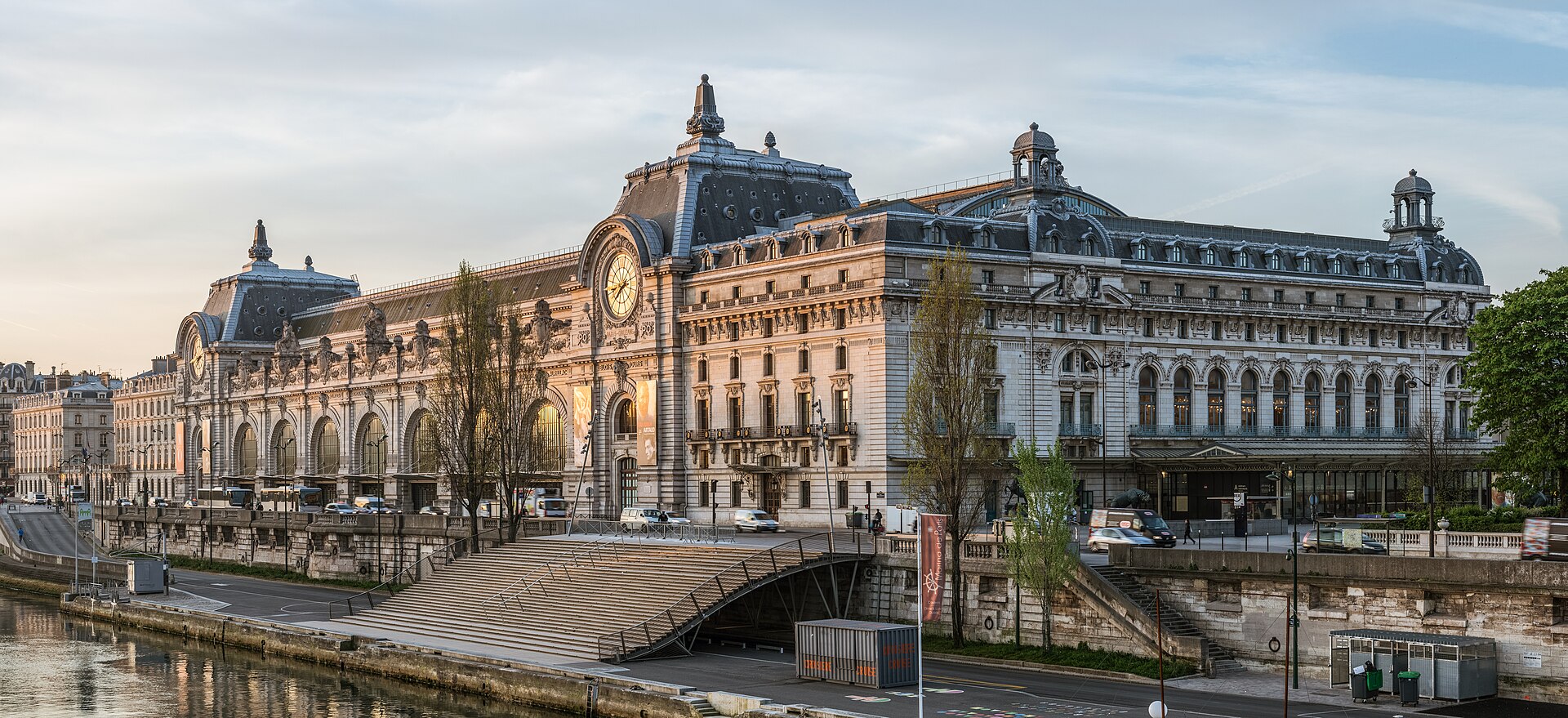
A Belle Époque railway station turned museum, holding the world's largest collection of Impressionist and Post-Impressionist paintings by Monet, Degas, Van Gogh and Cézanne.
- Impressionist Art Museum
Musée de l'Orangerie
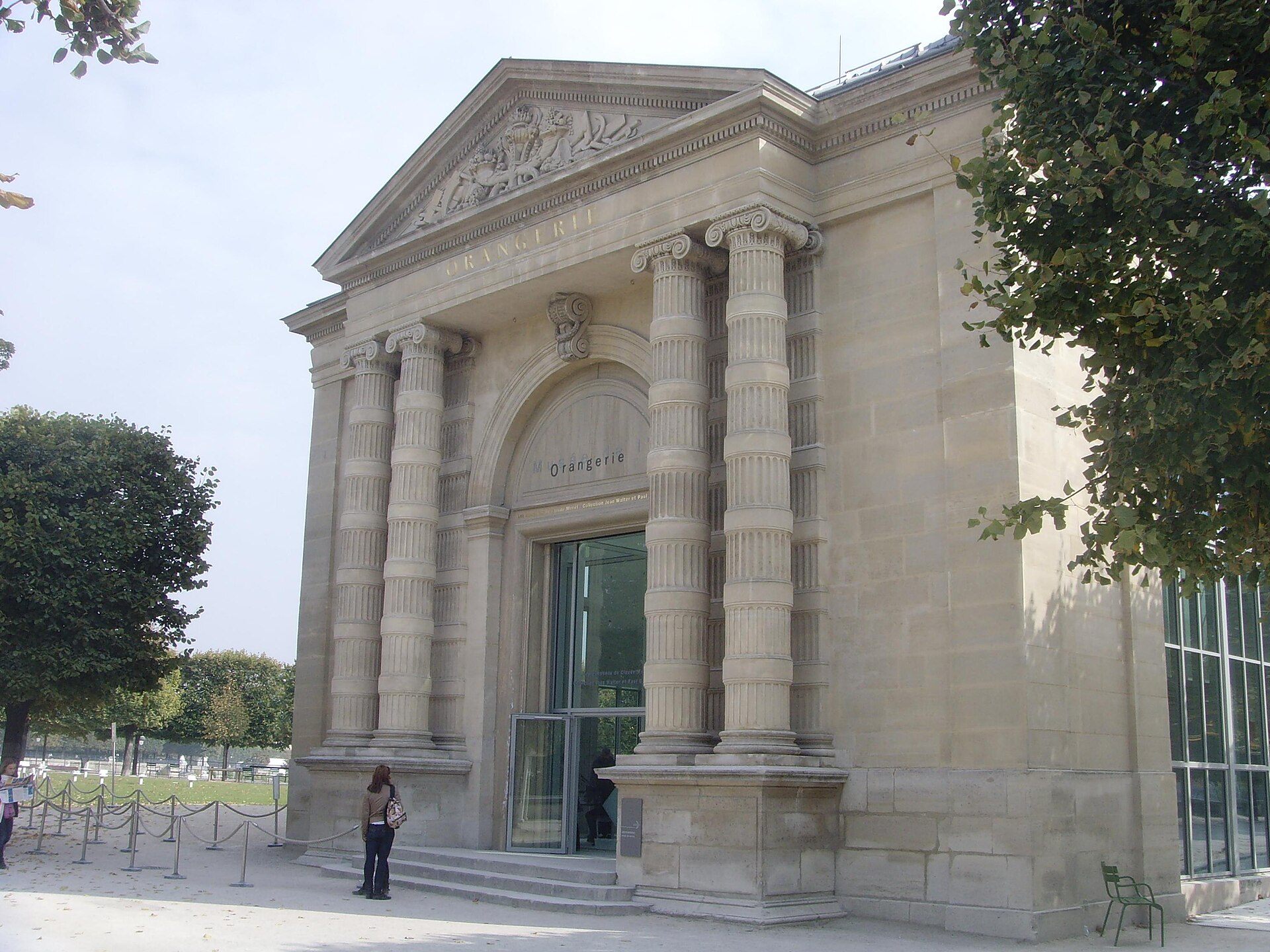
A former citrus greenhouse in the Tuileries gardens, purpose-built oval rooms here have displayed Claude Monet's monumental Water Lilies exactly as he intended since 1927.
- Advertisement
GetYourGuide
Skip the line — book tours & tickets for Rome's top sights.
Learn more → - Sculpture Museum & Garden
Musée Rodin
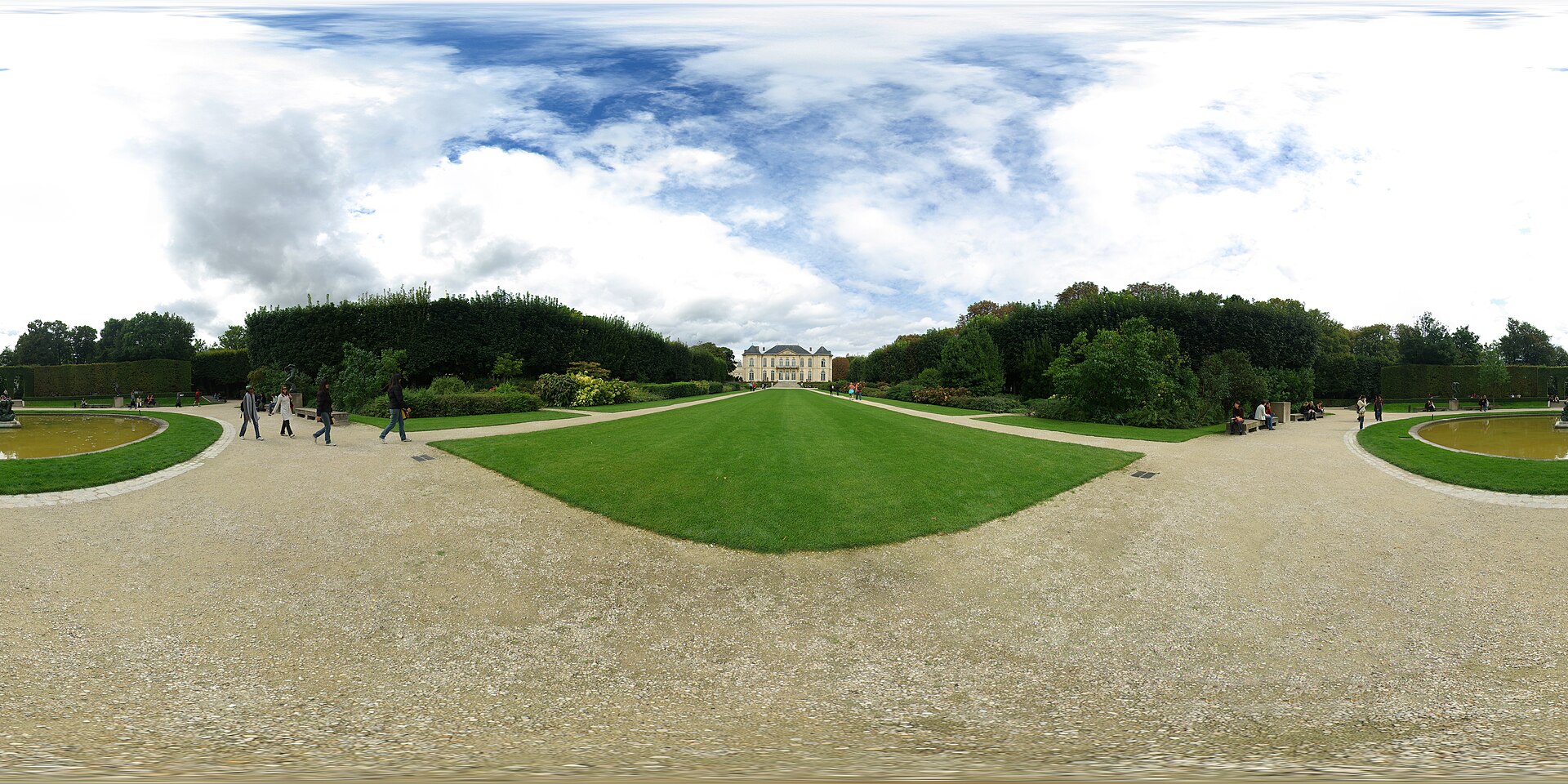
An 18th-century mansion and rose garden where Auguste Rodin lived and worked, now displaying The Thinker, The Kiss and hundreds of his other bronzes and plasters.
- Gothic Cathedral
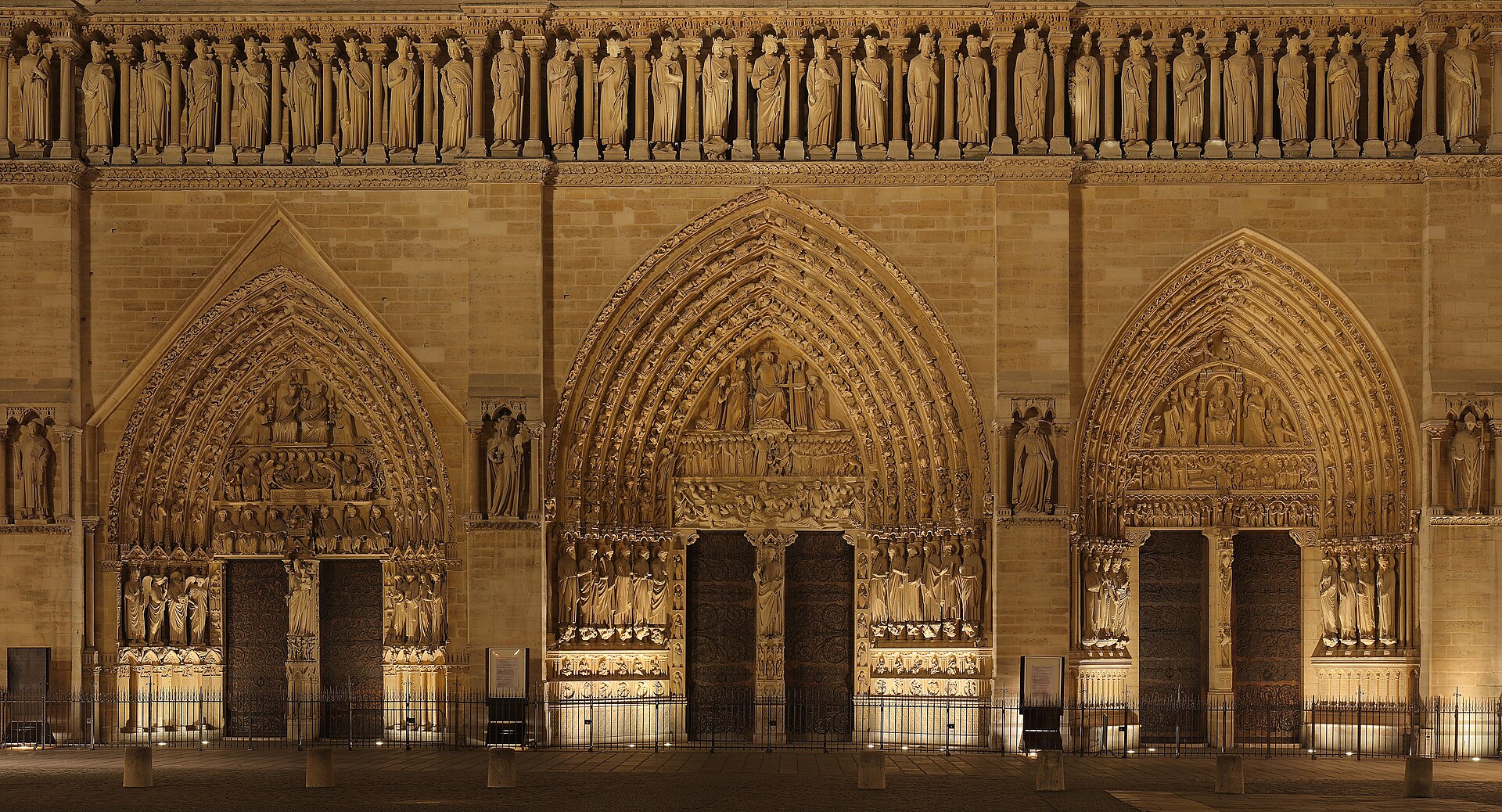
Notre-Dame Cathedral
The 12th-century Gothic cathedral on Île de la Cité, gutted by fire in 2019 and meticulously restored, reopened to the public in December 2024 more luminous than in living memory.
- Opera House
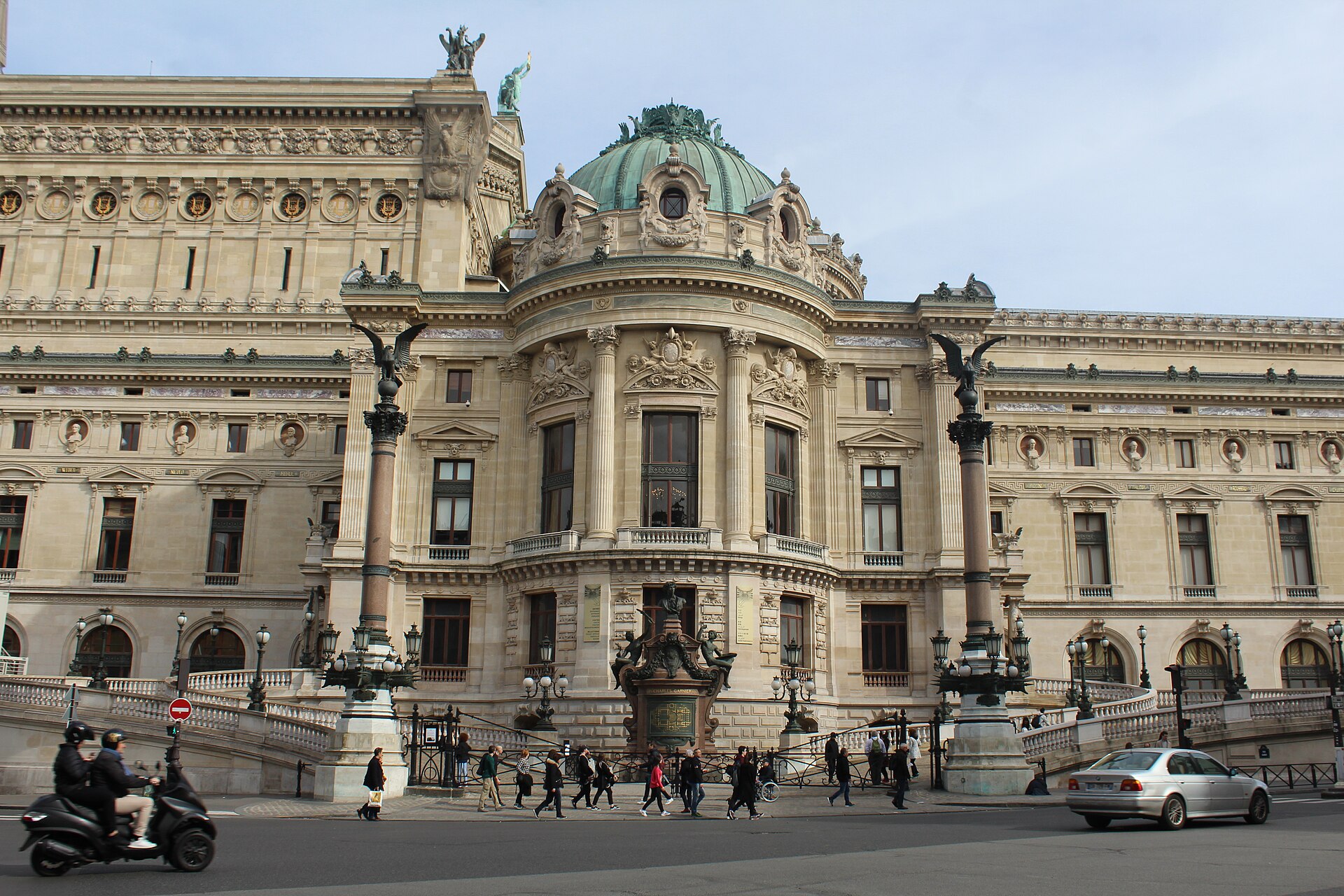
Palais Garnier
Charles Garnier's opulent 1875 opera house, its grand staircase and gilded auditorium capped by a Chagall ceiling, inspired Gaston Leroux's Phantom of the Opera.
- Neoclassical Mausoleum
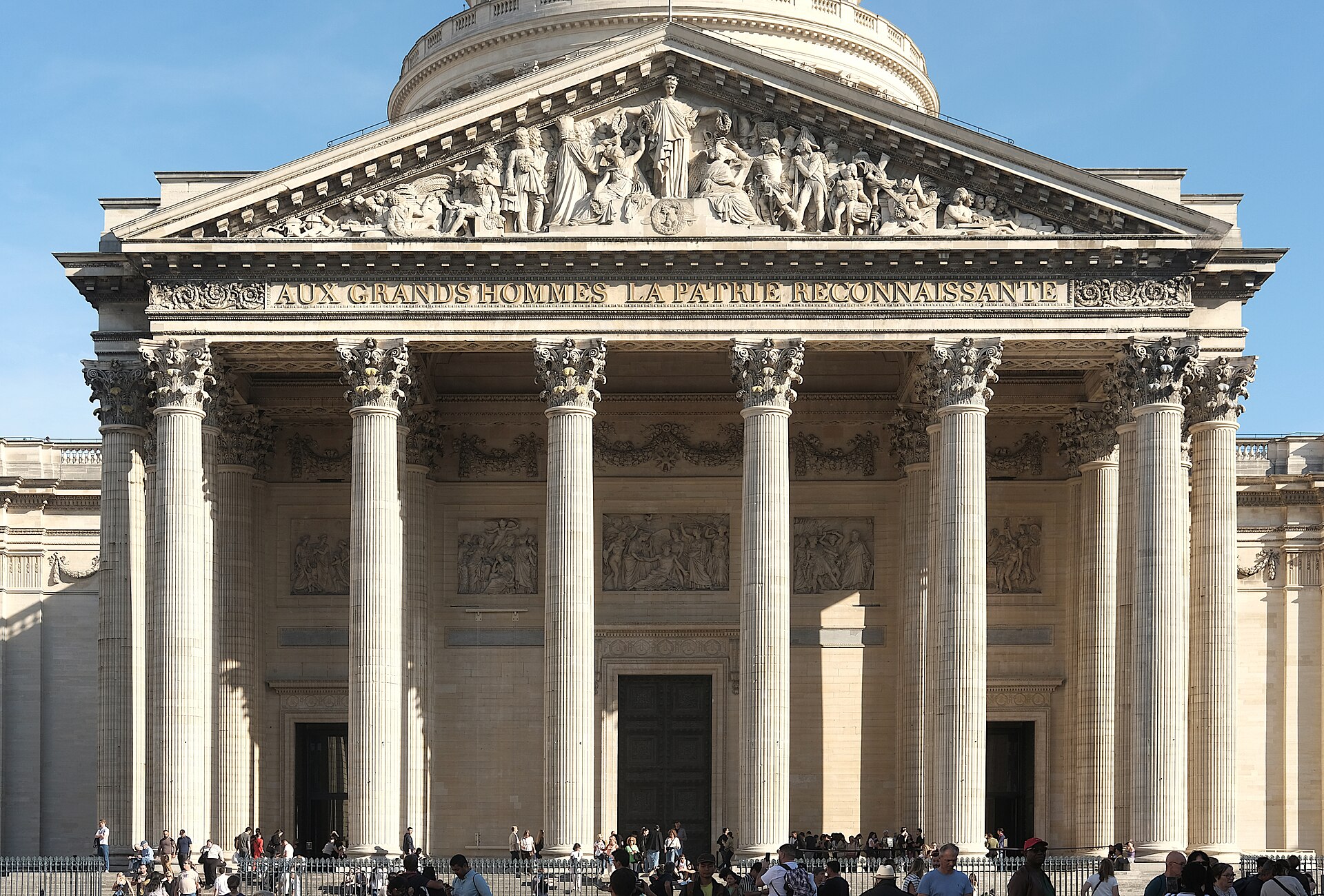
Panthéon
A domed neoclassical church-turned-mausoleum on the Left Bank, resting place of Voltaire, Rousseau, Marie Curie and Victor Hugo, where Foucault first proved the Earth's rotation in 1851.
- Historic Cemetery
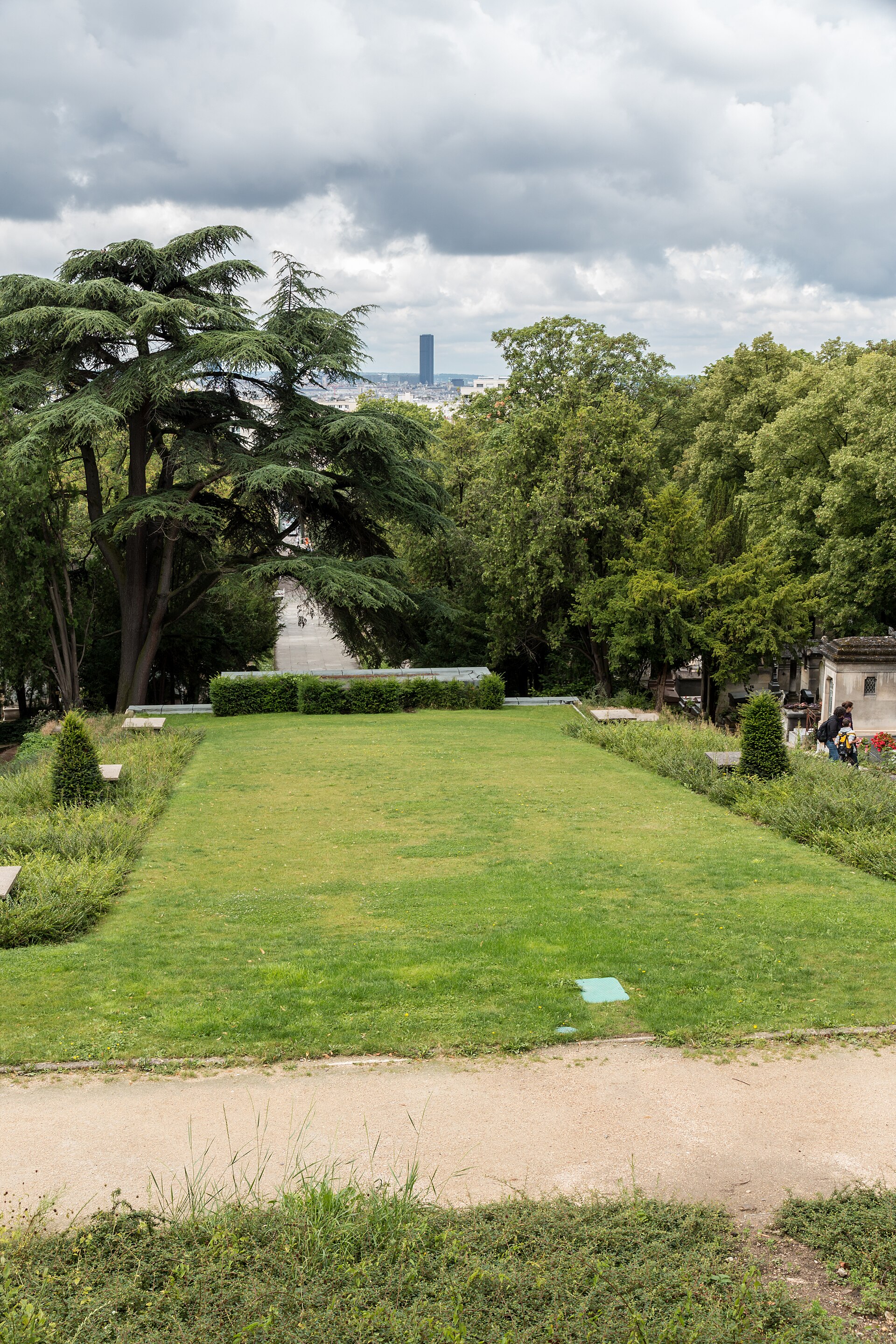
Père Lachaise Cemetery
Paris's largest and most famous cemetery, opened in 1804 on a former Jesuit retreat, is the leafy resting place of Chopin, Oscar Wilde, Édith Piaf, Molière and Jim Morrison.
- Historic Square
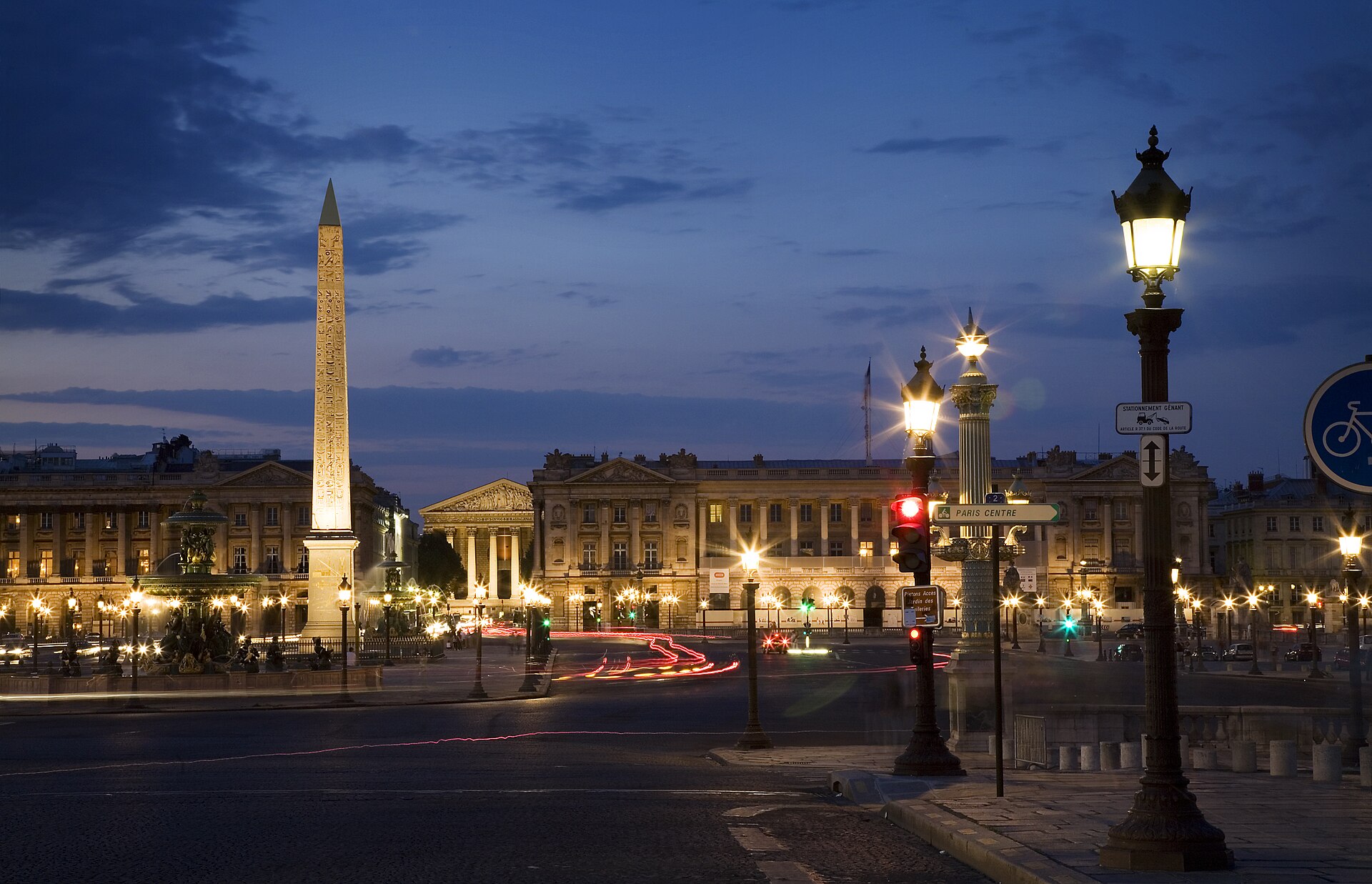
Place de la Concorde
Paris's largest square, laid out in the 1750s for a statue of Louis XV, later the site of over a thousand guillotine executions during the Revolution, now centred on a 3,300-year-old Egyptian obelisk.
- Historic Square
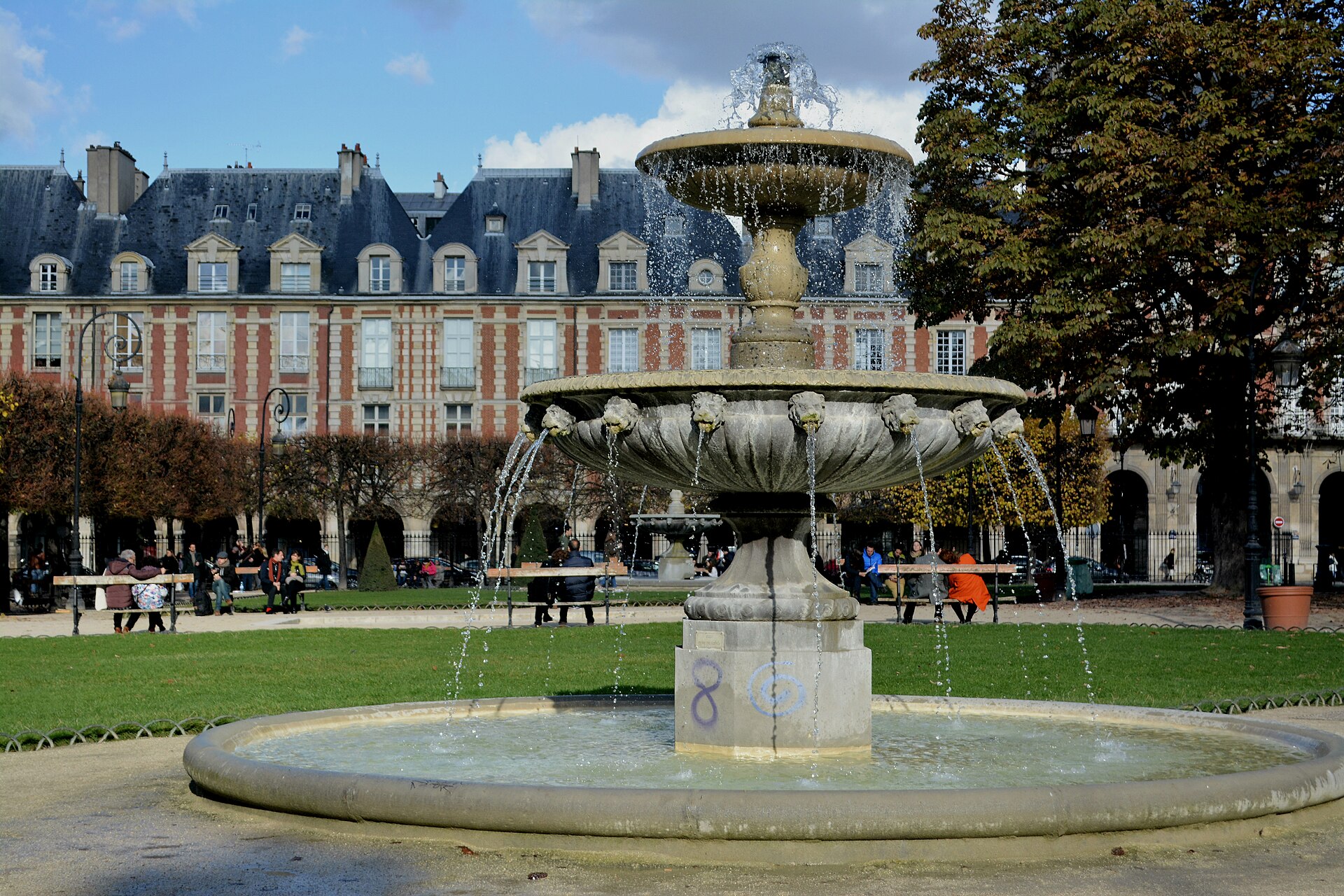
Place des Vosges
Paris's oldest planned square, built by Henri IV from 1605 as a uniform arcade of 36 red-brick pavilions, later home to Victor Hugo, now the elegant heart of the Marais.
- Ornamental Bridge
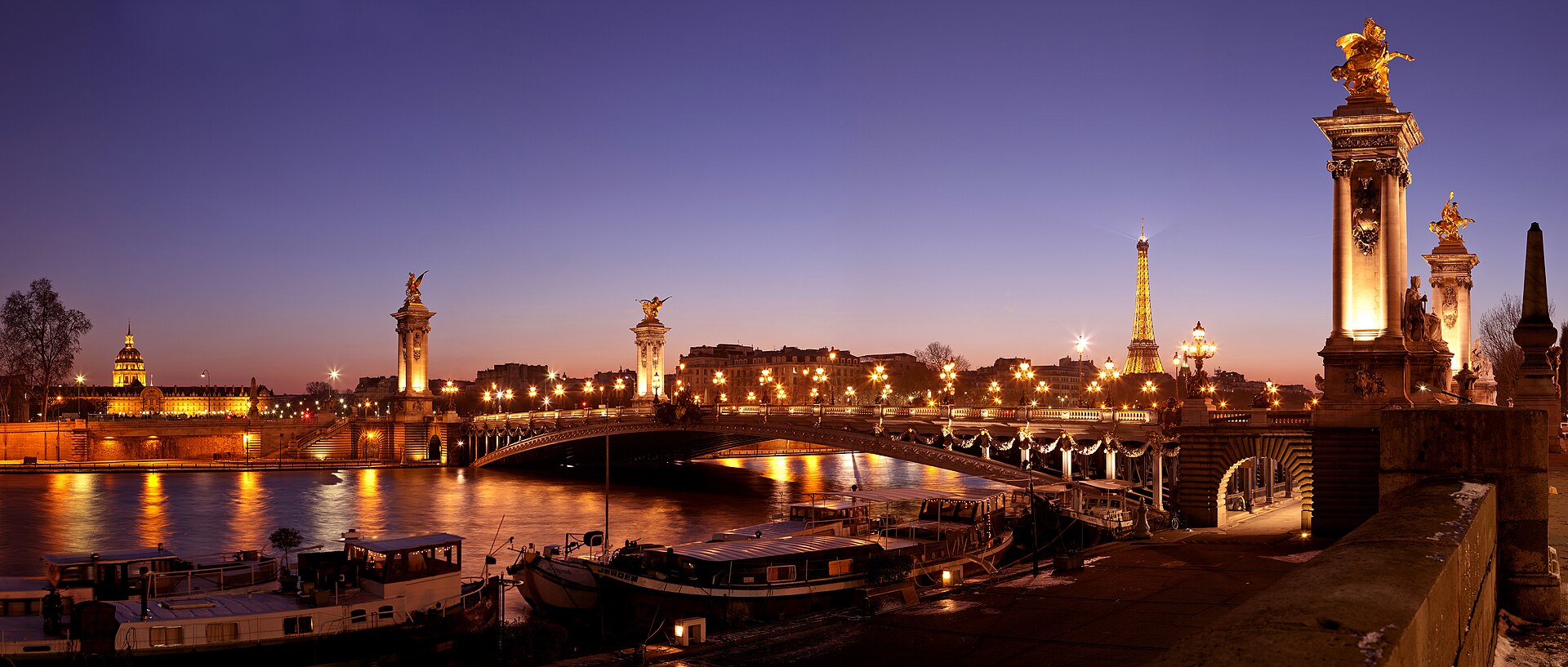
Pont Alexandre III
A single-span Belle Époque bridge over the Seine, built for the 1900 World's Fair and named for the Russian tsar, dripping with gilded nymphs, cherubs and monumental lamp-posts.
- Romano-Byzantine Basilica
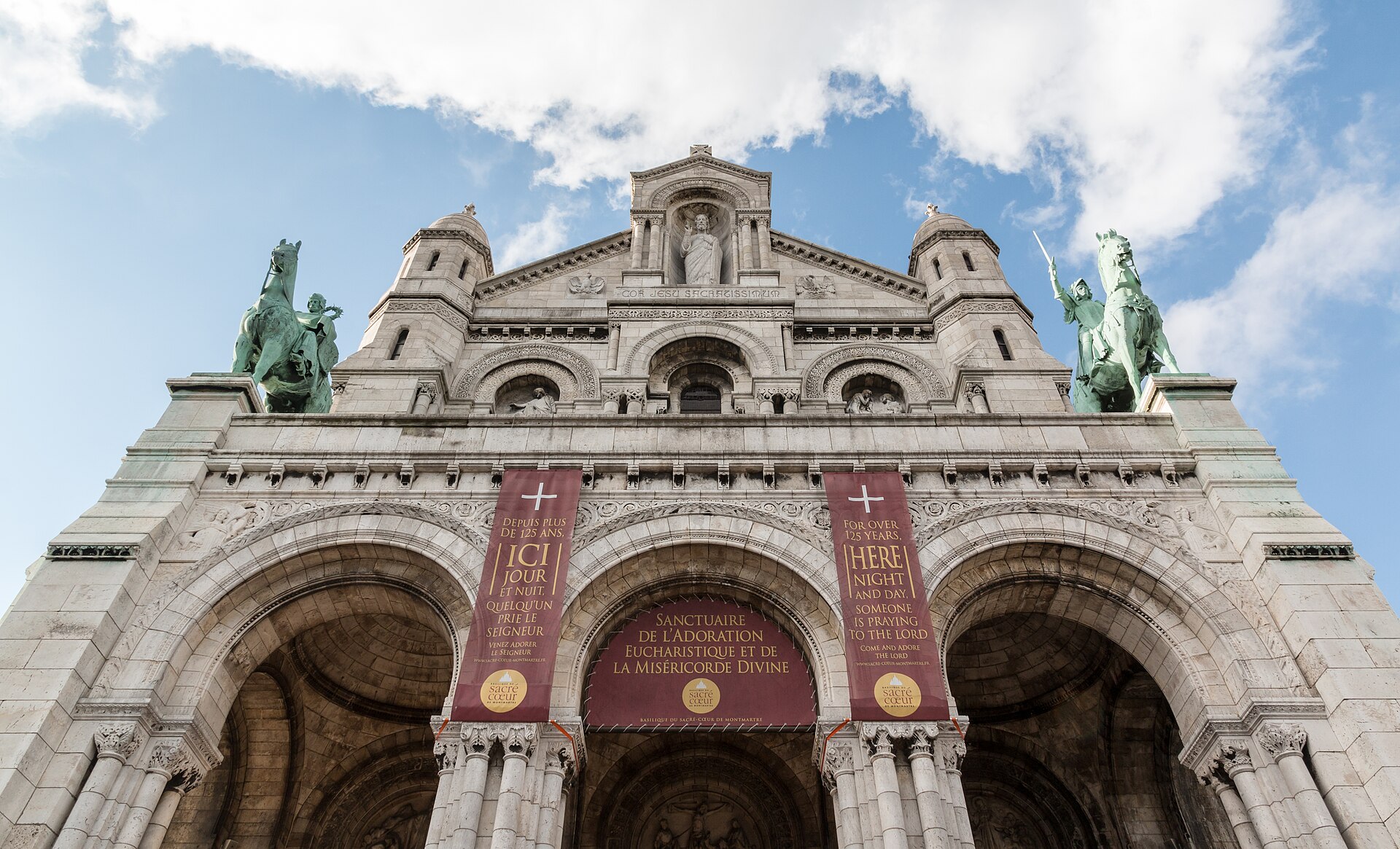
Sacré-Cœur Basilica
The white travertine basilica crowning Montmartre hill, begun in 1875 as national penance after France's defeat in the Franco-Prussian War, offers the city's finest free panorama.
- Gothic Royal Chapel
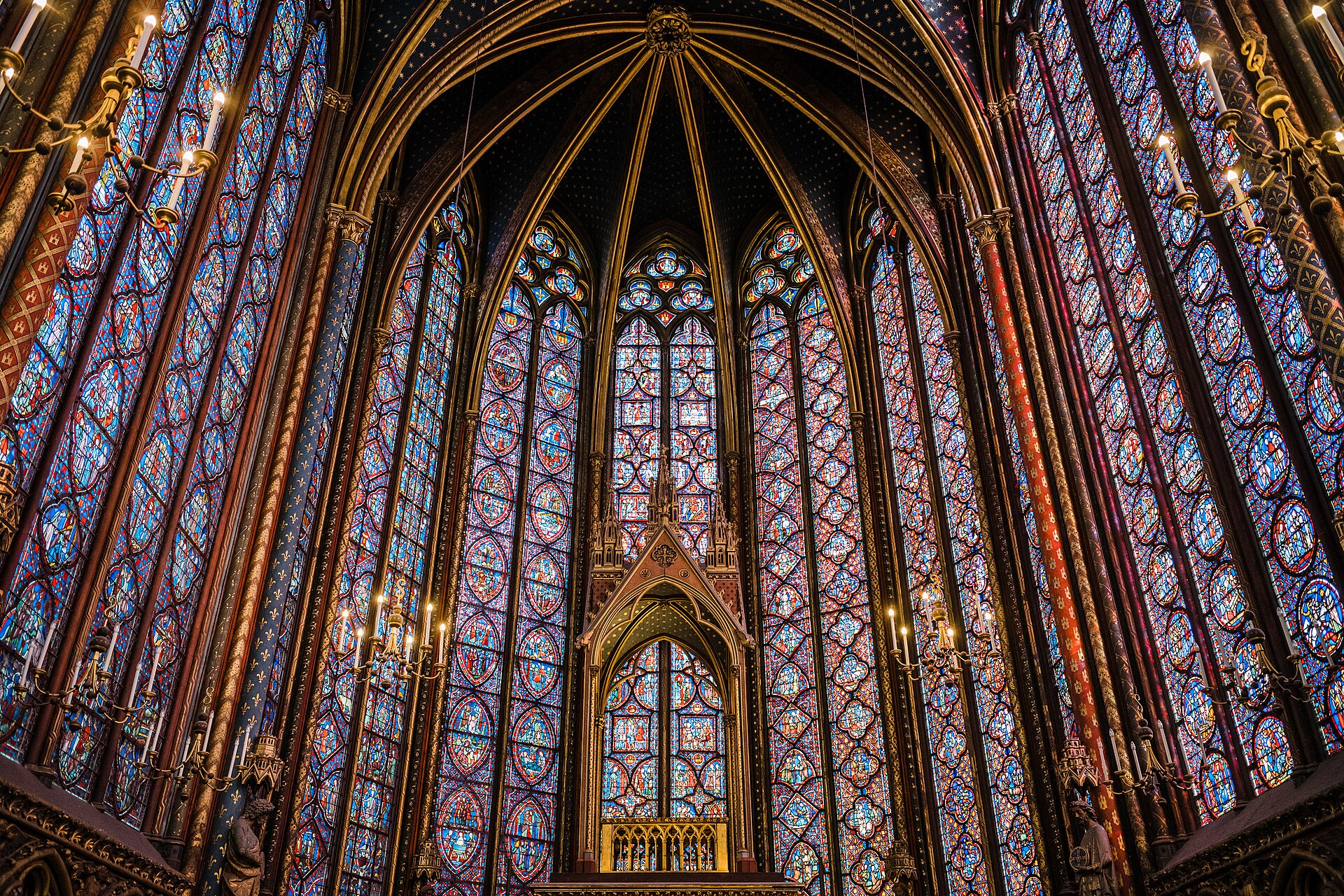
Sainte-Chapelle
A jewel-box royal chapel built in under seven years by King Louis IX to house Christ's Crown of Thorns, its upper level walled almost entirely in 13th-century stained glass.
- Advertisement
GetYourGuide
Skip the line — book tours & tickets for Rome's top sights.
Learn more → - Esplanade & Viewpoint
Trocadéro & Palais de Chaillot
The curved 1937 Palais de Chaillot and its terraced gardens face the Eiffel Tower directly across the Seine, offering what is widely considered the single best photograph of the tower in Paris.