
Discover Paris
- About 2.1 million residents (over 12 million in the metropolitan area)
- Île-de-France, France
- CET/CEST (UTC+1 / UTC+2)
History
Paris began as Lutetia, a settlement of the Parisii, a Gallic tribe, on the Île de la Cité around the 3rd century BC, later fortified and expanded by the Romans after their conquest of Gaul. The city grew steadily through the Middle Ages under the Capetian dynasty, which made Paris its capital, building the original Louvre fortress, Notre-Dame Cathedral and the Sorbonne university, establishing the city early on as a centre of both royal power and Christian learning that would draw scholars from across Europe.
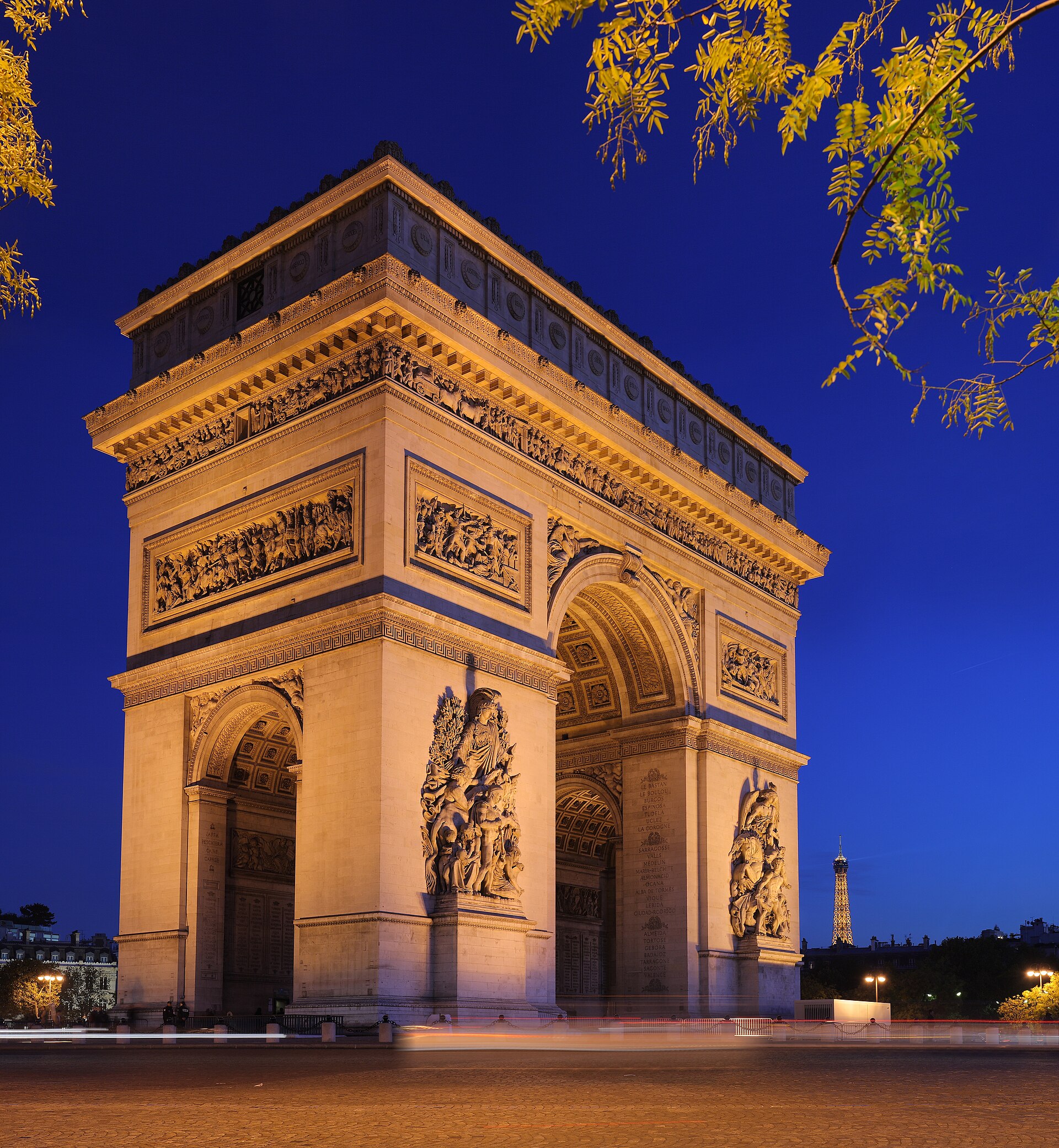
The following centuries brought both glory and upheaval: the Hundred Years’ War, religious conflict during the Wars of Religion, and the transformative violence of the French Revolution in 1789, which toppled the monarchy, executed King Louis XVI in the newly renamed Place de la Révolution, and reshaped Paris into the symbolic heart of republican France. Napoleon Bonaparte, rising from the Revolution’s chaos, commissioned grand monuments including the Arc de Triomphe to celebrate his military victories, even though he did not live to see it completed.
The 19th century brought the most dramatic physical transformation in the city’s history, when Baron Georges-Eugène Haussmann, under Napoleon III, demolished dense medieval quarters to build the wide boulevards, uniform stone facades and modern sewer system that still define central Paris today. This era also produced the World’s Fairs that gave Paris the Eiffel Tower in 1889 and cemented its reputation as a global capital of art and innovation, while Montmartre and the Left Bank became magnets for the painters, writers and philosophers who made Paris synonymous with artistic and intellectual life for much of the 20th century.
The 20th century brought German occupation during the Second World War, a period of hardship and resistance that ended with the city’s liberation in August 1944, followed by decades of postwar rebuilding, the social upheaval of May 1968, and a wave of ambitious modern architecture, from the Centre Pompidou to the Louvre’s glass pyramid, that added contemporary landmarks to the historic skyline. Today Paris balances the weight of its history, from Notre-Dame’s 2024 reopening after its devastating fire to the ongoing challenge of housing and tourism pressure, with its enduring role as one of the world’s most visited and most imitated cities.
Did you know?
- The Eiffel Tower grows about 15 centimetres taller in summer, as the iron expands in the heat, and can lean slightly away from the sun as one side warms faster than the other.
- Paris has had a nickname, "the City of Light," since the 19th century, both for its early leadership in street lighting and for its role as a centre of the Enlightenment.
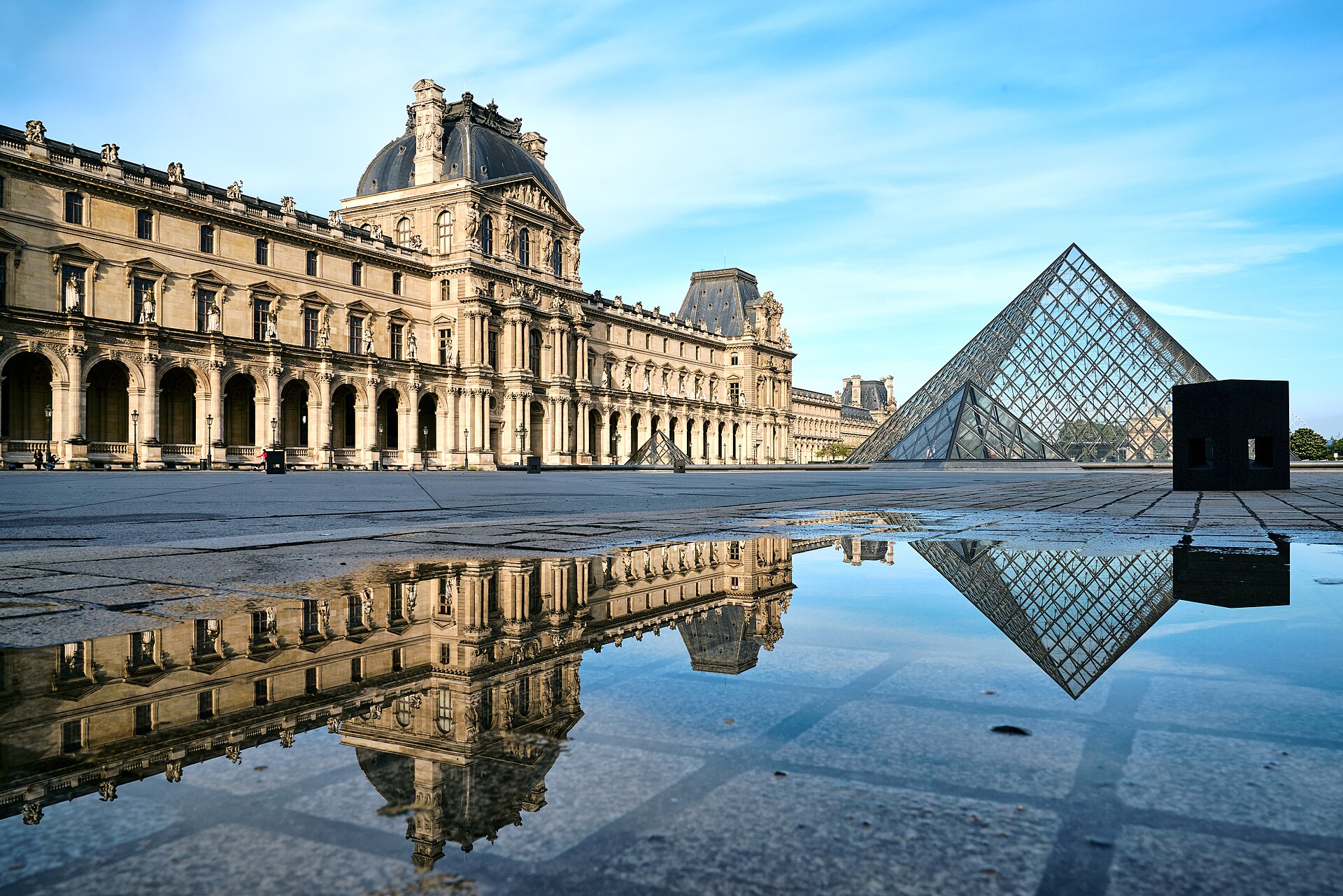
- The Louvre's glass pyramid, now one of the most photographed structures in Paris, was fiercely controversial when unveiled in 1989, criticised by many Parisians as a jarring modern intrusion on a historic palace.
- Beneath the streets lie roughly 200 kilometres of old limestone quarry tunnels, a small section of which forms the Catacombs, the resting place of an estimated six million Parisians.
- Paris apartment buildings almost uniformly cap out around six or seven storeys, a legacy of 19th-century height restrictions tied to the width of the street and fire-ladder reach, giving the city its famously uniform skyline.
- The Paris Métro, opened in 1900, was built with unusually tight curves and short platforms compared to later systems, a legacy of squeezing tunnels beneath an already dense, historic street plan.
Must-see
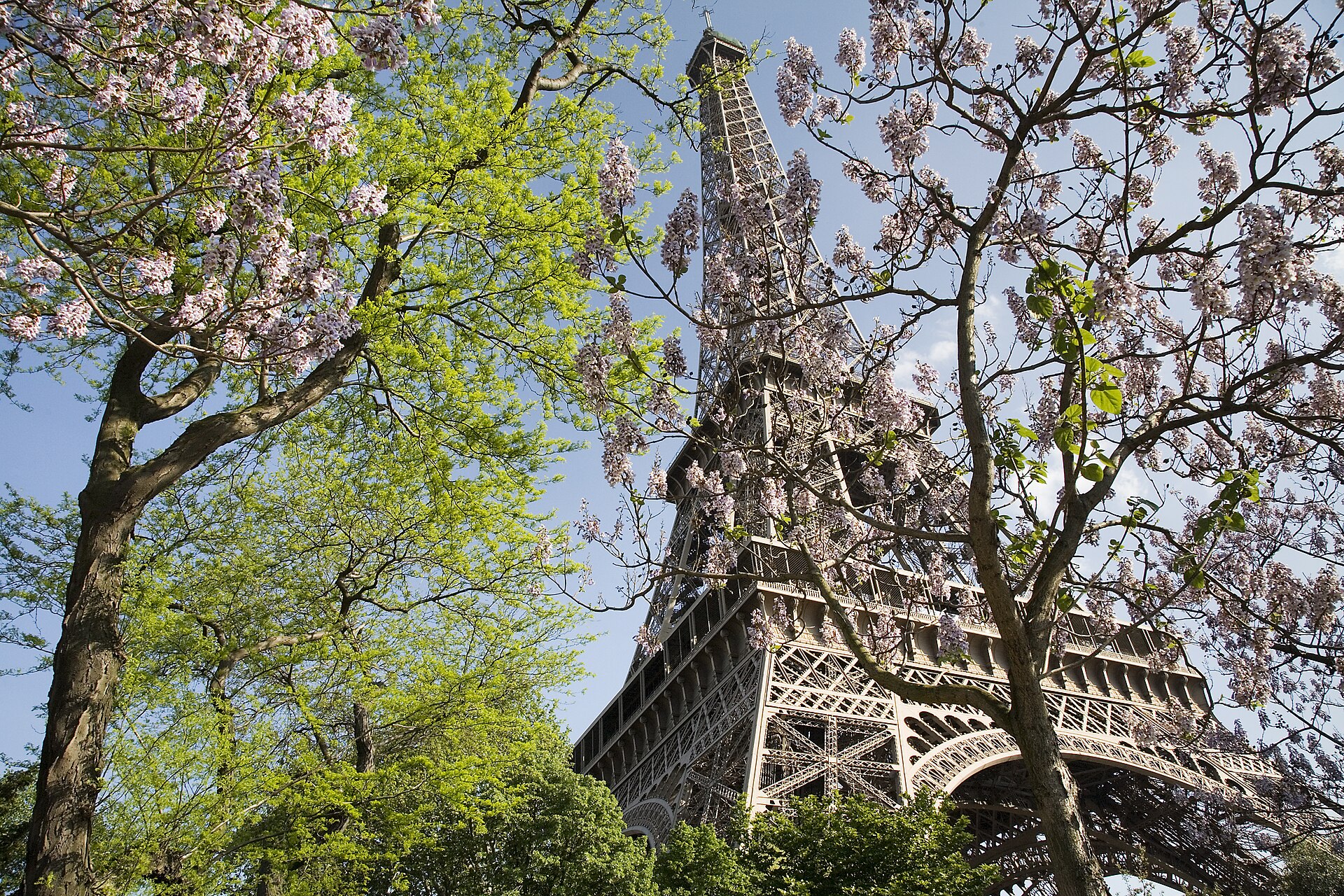
- Eiffel Tower — Gustave Eiffel's 330-metre wrought-iron lattice tower, built for the 1889 World's Fair and meant to stand for just twenty years, is now the enduring symbol of Paris.
- Louvre Museum — The world's most-visited museum, housed in a former royal palace on the Seine, holds around 35,000 works on display, from the Mona Lisa to the Venus de Milo.
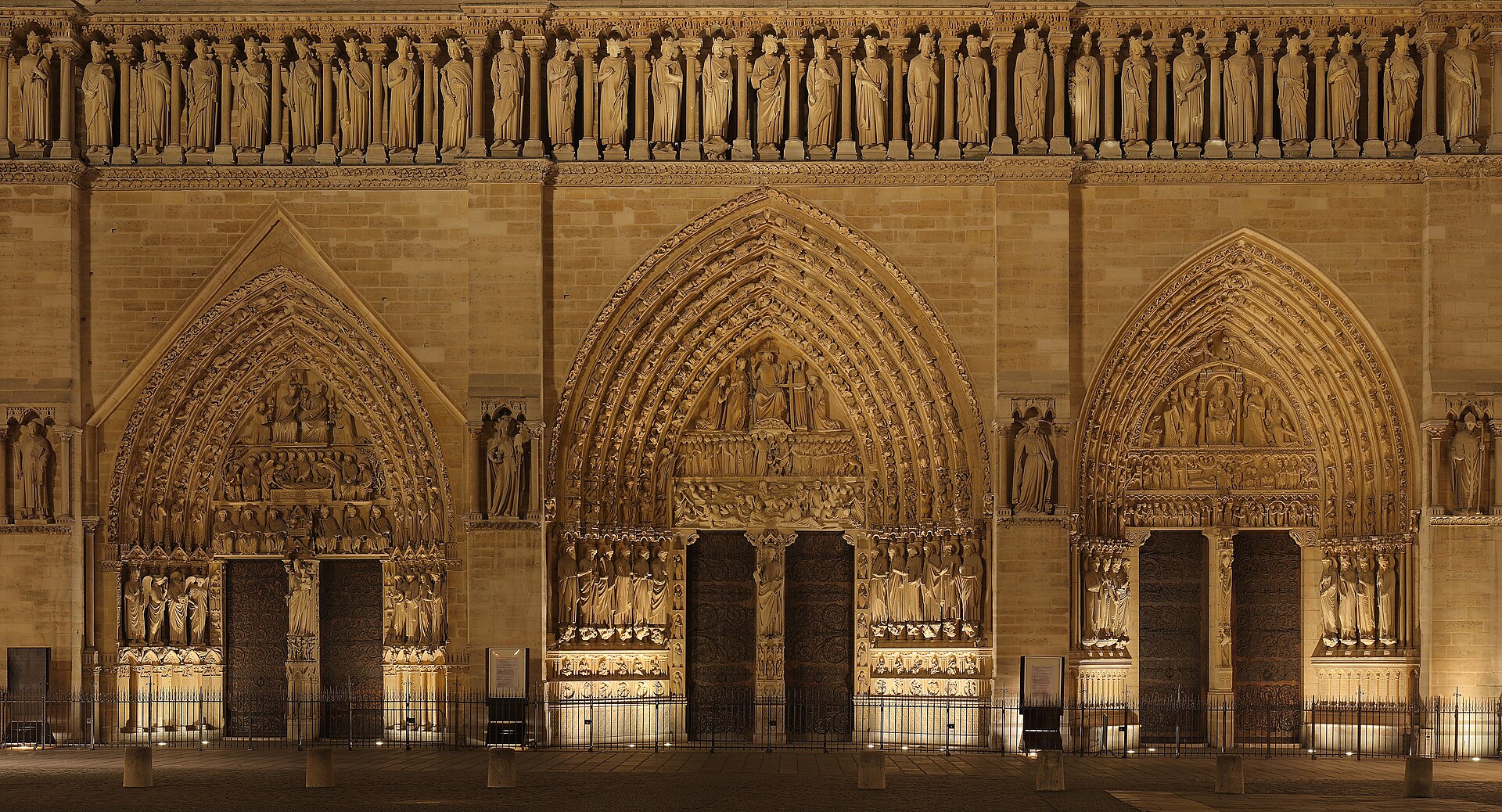
- Notre-Dame Cathedral — The 12th-century Gothic cathedral on Île de la Cité, gutted by fire in 2019 and meticulously restored, reopened to the public in December 2024 more luminous than in living memory.
Local dishes
- Steak-frites — Pan-seared steak served with crisp, thin-cut fries, arguably the definitive bistro dish across the city.
- Soupe à l'oignon — Caramelised onion soup topped with toasted bread and melted cheese, a warming Parisian classic since the Les Halles market days.
- Escargots de Bourgogne — Snails baked in their shells with garlic and parsley butter, a French bistro staple found on menus across the city.
- Croque-monsieur — A grilled ham and cheese sandwich topped with béchamel sauce, a café staple since the early 20th century.
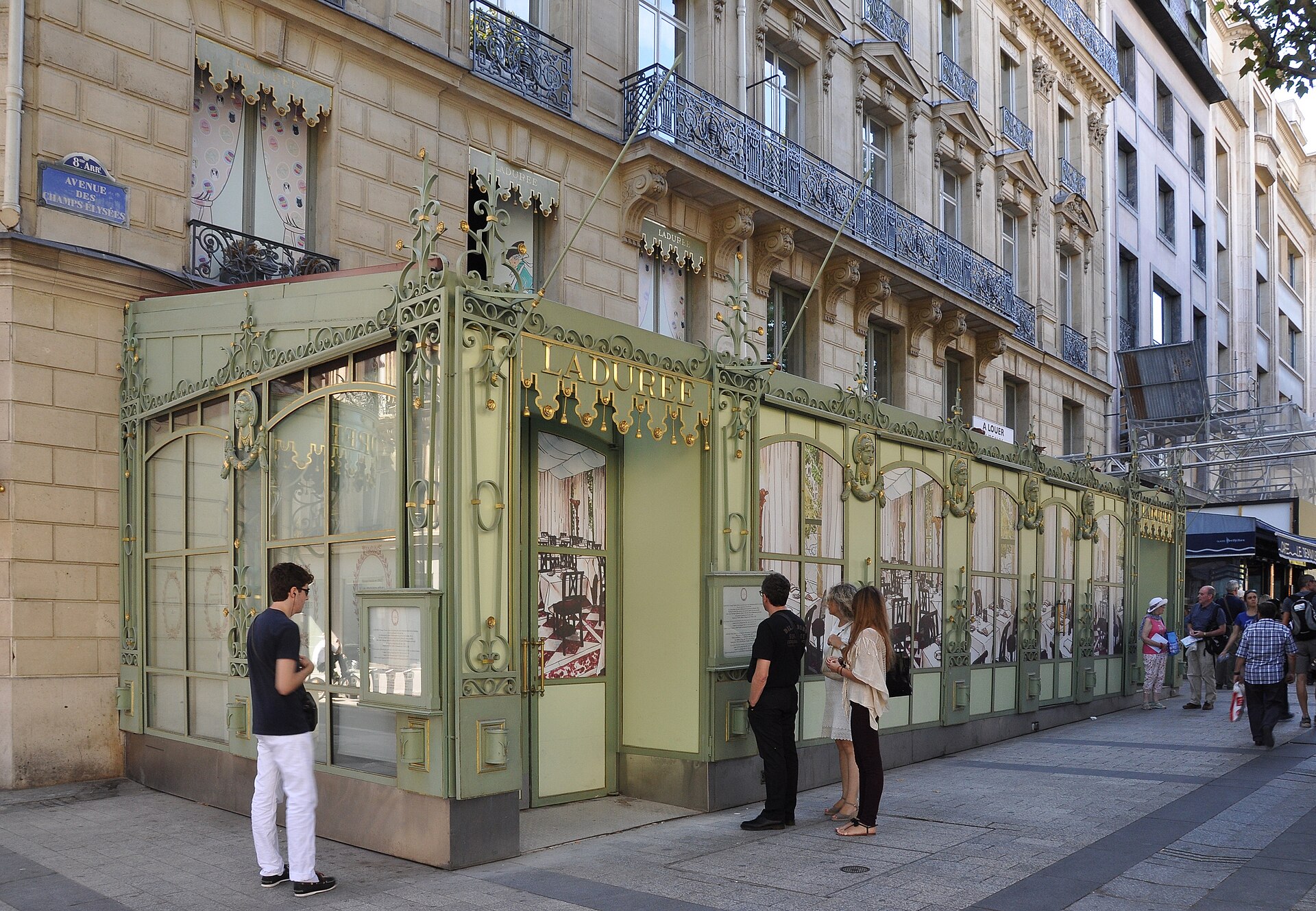
- Macarons — Delicate almond-meringue shells sandwiched around ganache or buttercream, refined into their modern double-shell form by Parisian pâtissiers.
- Crêpes — Thin wheat-flour pancakes, sweet or savoury, sold from street stalls across the city and a beloved everyday snack.
Practical info
Getting around
The Paris Métro covers the entire city with closely spaced stations, making it the fastest way to move between neighbourhoods, complemented by buses, the RER regional trains and an expanding network of Vélib' bike-share stations. The historic centre is compact and highly walkable, and central districts increasingly restrict car traffic, so walking or cycling is often more pleasant than driving.
When to go
April to June and September to October offer mild weather, blooming parks and thinner crowds than the peak of July and August, when many small family-run shops and restaurants close for the traditional summer holiday. December brings festive lights and Christmas markets, though shorter days and cooler temperatures.
Good to know
- Book timed tickets for the Louvre, Eiffel Tower and Notre-Dame well in advance, especially in spring and summer, when queues without a reservation can run to hours.
- Stay alert for pickpockets on the Métro, around major tourist sites and on RER line B to and from the airports, the most commonly reported issue for visitors.
- Many small shops and family restaurants close on Sundays and Mondays, and for a full month during summer, so check opening hours before making plans.
- A single Métro ticket now covers most short trips within the city; consider a multi-day Navigo Easy pass if making frequent journeys.
- Tipping is not obligatory since service is included by law, though rounding up or leaving small change for good service is appreciated.
- Dress codes apply inside churches and some upscale restaurants; smart casual is generally safe, and shoulders should be covered in religious sites.